



Helium balloons are a popular and enchanting way to brighten up any event. From birthdays and weddings to corporate parties and grand openings, helium balloons are often the go-to choice for adding a festive flair. Their ability to float in the air makes them stand out among other types of decorations, but one challenge remains: how do you make them last as long as possible?
Whether you want your helium balloons to stay afloat throughout a lengthy event or you simply want to extend their lifespan for a few extra days, there are several techniques and tricks you can use to make them last longer. This Ultimate Guide to Helium Balloons from Gleam Haven will explore the factors that affect how long helium balloons float, the most common mistakes people make with them, and how to choose the right equipment for inflation. Let’s dive into all the details!
Understanding Helium Balloons
To extend the float time of helium balloons, it’s helpful to first understand the basics of how they work. Helium is a colorless, odorless gas that’s much lighter than the air we breathe. When helium is pumped into a balloon, the gas molecules inside the balloon are lighter than the surrounding air, allowing the balloon to float.
However, helium molecules are also much smaller than air molecules, which means they can pass through the material of the balloon over time. Whether the balloon is made of latex or foil, helium slowly leaks out, causing the balloon to lose its buoyancy and eventually fall to the ground. Understanding this process will help you manage your expectations and take the right steps to slow down the leakage of helium, thereby extending the balloon’s float time.

Factors Affecting Helium Balloon Longevity
Several factors contribute to how long helium balloons will last. By understanding and controlling these factors, you can significantly increase the lifespan of your balloons and ensure they remain floating for as long as possible.
Environmental Factors
The environment in which you store or display your helium balloons plays a critical role in determining how long they will stay afloat. Helium is highly sensitive to temperature changes, and exposure to certain conditions can cause the helium to expand or contract, which affects the balloon’s performance.
- Heat Exposure: One of the biggest threats to helium balloons is heat. When balloons are exposed to high temperatures or direct sunlight, the helium inside expands. As the gas expands, the balloon stretches, making it more porous and allowing helium to escape more rapidly. Over time, this can significantly shorten the lifespan of the balloon. Additionally, extreme heat can cause the balloon to burst altogether. This is especially true for latex balloons, which are more susceptible to popping under pressure from expanded helium.
- Cold Temperatures: On the opposite end of the spectrum, cold temperatures cause helium to contract. When the gas contracts, the balloon may appear partially deflated or saggy. However, this is a temporary effect, and the balloon will regain its normal size once it’s brought back to a warmer environment. Still, consistently cold conditions can reduce the overall longevity of the balloon.
To protect your helium balloons from the elements, it’s best to store them in a climate-controlled environment where they’re shielded from both extreme heat and cold. Indoor events offer the best chance for balloons to maintain their float time.

Material of the Balloon
The type of balloon you choose is another key factor in how long the helium will last. There are two main types of helium balloons: latex and foil (Mylar). Each has its own unique characteristics, and selecting the right one can make a big difference in how long your decorations will float.
- Latex Balloons: Latex balloons are made from natural rubber, which makes them biodegradable and eco-friendly. However, they are also highly porous, meaning that helium can escape through the tiny pores in the balloon’s surface. As a result, latex balloons filled with helium typically last for 12 to 24 hours. This can be extended with special treatments (discussed later), but latex balloons are generally not ideal for long-lasting displays.
- Foil Balloons: Foil balloons, often referred to as Mylar balloons, are made from a metallic-coated plastic. These balloons are much less porous than latex balloons, so they can hold helium for a significantly longer period. In fact, foil balloons can stay afloat for days or even weeks, depending on how well they’re maintained. This makes them a better choice for multi-day events or when you want your decorations to last beyond the immediate party.
Choosing the right balloon material based on your event’s needs is critical to ensuring your helium balloons last as long as possible.

Proper Handling and Storage
How you handle and store your helium balloons before and during your event also has a major impact on their lifespan. Even with the best quality balloons and ideal environmental conditions, improper handling can lead to deflation or damage.
- Rough Handling: Helium balloons are delicate, and rough handling can cause tears or leaks, allowing helium to escape faster than expected. Whether you’re inflating the balloons, tying them off, or transporting them to your event, be sure to handle them gently to avoid any damage.
- Sharp Objects: Balloons and sharp objects don’t mix. Be mindful of where you place your balloons to avoid them coming into contact with sharp corners, tree branches, or any other objects that could puncture them. Even a small tear can cause a balloon to deflate rapidly.
- Tying Balloons: When tying your balloons, make sure you use balloon strings or ribbons that are specifically designed for helium balloons. Avoid using rough or abrasive materials that could damage the balloon’s neck and cause leaks. It’s also important to ensure the knot is tight enough to prevent helium from escaping but not so tight that it stretches or damages the balloon.
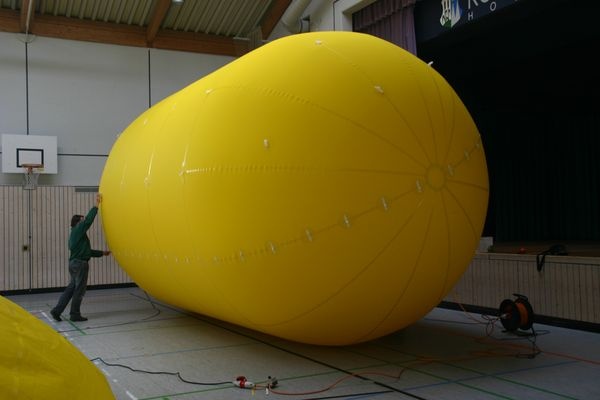
By handling your balloons with care and storing them in a safe, protected area, you can extend their lifespan and keep them floating for longer.
How to Extend the Float Time of Helium Balloons
Now that we’ve covered the factors that affect helium balloon longevity, let’s explore some specific techniques and strategies to help extend their float time. With a few extra steps, you can significantly increase how long your helium balloons stay afloat.
Using Hi-Float Solutions
One of the best ways to extend the float time of latex balloons is by using a product called Hi-Float. Hi-Float is a liquid solution that coats the inside of the balloon, creating a barrier that slows down the escape of helium. When applied correctly, Hi-Float can increase the float time of latex balloons by up to 25 times, meaning your balloons could stay afloat for several days instead of just a few hours.
To use Hi-Float, follow these steps:
- Before inflating your balloon with helium, insert a small amount of Hi-Float into the uninflated balloon.
- Massage the balloon to evenly distribute the Hi-Float solution on the inside.
- Inflate the balloon with helium as you normally would.
By using Hi-Float, you can make your latex balloons last much longer, allowing them to stay buoyant for extended periods, even during multi-day events.
Keeping Balloons Indoors
While helium balloons are often used for outdoor events, they tend to perform best when kept indoors. Outdoor conditions such as wind, rain, and exposure to sunlight can cause balloons to deflate faster. Additionally, outdoor environments are more likely to introduce sharp objects or other hazards that can pop or damage the balloons.
If you’re using helium balloons for an outdoor event, try to limit their exposure to the elements by bringing them outside only when necessary. For the best results, consider using helium balloons in indoor spaces where the temperature and conditions are easier to control.
Storing Balloons in Cooler Temperatures
As mentioned earlier, helium expands in hot conditions, which can cause the gas to escape more quickly. To prevent this from happening, it’s best to store your helium balloons in cooler temperatures until the time of your event.
If you’re inflating the balloons the day before the event, keep them in a cool, shaded area where they’re protected from direct sunlight and heat sources. A cool room or air-conditioned environment is ideal for extending the float time of helium balloons. When the time comes to display them, they’ll be in the best possible condition.

Common Mistakes People Make with Helium Balloons
Even with the best intentions, people often make mistakes when inflating, handling, or displaying helium balloons. These common errors can significantly reduce the lifespan of the balloons, causing them to deflate sooner than expected. Let’s take a closer look at some of the most frequent mistakes and how to avoid them.
Overinflating or Underinflating Balloons
One of the most common mistakes people make with helium balloons is either overinflating or underinflating them. Overinflating a balloon causes it to stretch too much, weakening the material and increasing the likelihood of it popping. On the other hand, underinflating balloons can result in them not having enough helium to float for an extended period.
To avoid these issues, follow the manufacturer’s recommendations for proper inflation size. Latex balloons should be inflated to a rounded shape rather than an oval one, and foil balloons should be filled just enough to appear fully inflated without stretching the material.
Using the Wrong Type of Balloon
As we discussed earlier, not all balloons are suitable for helium inflation. Some balloons are made from materials that are too porous or too small to hold helium properly. Choosing the wrong type of balloon can lead to faster deflation and poor performance.
Always use high-quality latex or foil balloons that are specifically designed for helium inflation. Avoid using small balloons, as they won’t hold enough helium to stay afloat for long periods. Larger balloons tend to have a longer float time and can hold more helium, making them a better choice for events.

Conclusion
Helium balloons are a festive and versatile decoration, but extending their float time requires careful attention to detail. By understanding the factors that affect helium balloon longevity and taking steps to avoid common mistakes, you can ensure your balloons stay afloat for hours—or even days—longer than usual.
From using Hi-Float solutions to selecting the right balloon materials, following these tips will help you create beautiful, long-lasting balloon displays that impress your guests and add a touch of magic to your event. Now that you know how to make your helium balloons last longer, you can enjoy worry-free party planning and decorations that keep floating long after the festivities have begun!
At Gleam Haven, we believe in elevating your events with the finest decorations and party essentials. Let us help you make your moments unforgettable!
Contact Information:
Hotline: +61 422 43 9595
Email: info.gleamhaven@gmail.com
The Ultimate Guide to Helium Balloons – How to Make Them Last Longer