


The history of Balloons. Those thing which is vibrant, buoyant spheres that effortlessly drift through the air, evoking feelings of joy, celebration, and a touch of whimsy. Today, they are ubiquitous, adorning birthday parties, grand openings, and festive gatherings worldwide. From simple latex ovals to elaborate foil creations, balloons have become an indispensable part of our celebrations. But their story stretches far beyond the realm of parties and decorations.
This article will delve into the captivating history of balloons, tracing their evolution from their earliest conceptualizations and scientific applications to their current status as a staple of celebrations. We will explore the pivotal moments in their development, from the initial experiments with air and gases to the introduction of new materials and manufacturing techniques.
The Early History of Balloons

Long before the sleek, inflatable spheres we recognize today, the dream of creating objects lighter than air manifested in various forms. Ancient civilizations, driven by curiosity and practical needs, explored principles that would later contribute to balloon technology. From the delicate artistry of Chinese paper lanterns, which harnessed the power of rising hot air for illumination and signaling, to early philosophical musings on the nature of air and buoyancy, humanity’s fascination with aerial ascent predates modern science.
These initial explorations, though not directly leading to the rubber or latex balloons we know, laid the conceptual groundwork, demonstrating an early understanding of manipulating air to achieve lift and igniting a long-held aspiration to conquer the skies.
The First Balloon Experiments

While not balloons in the contemporary sense, early civilizations exhibited an understanding of manipulating air and creating buoyant objects. For instance, the ancient Chinese were known to create paper lanterns as early as the Eastern Han Dynasty (25-220 AD), as indicated by the search results. These lanterns, while not designed to float freely, utilized the principle of hot air rising within an enclosed paper structure. While primarily used for lighting and signaling, they represent an early application of controlled heated air.
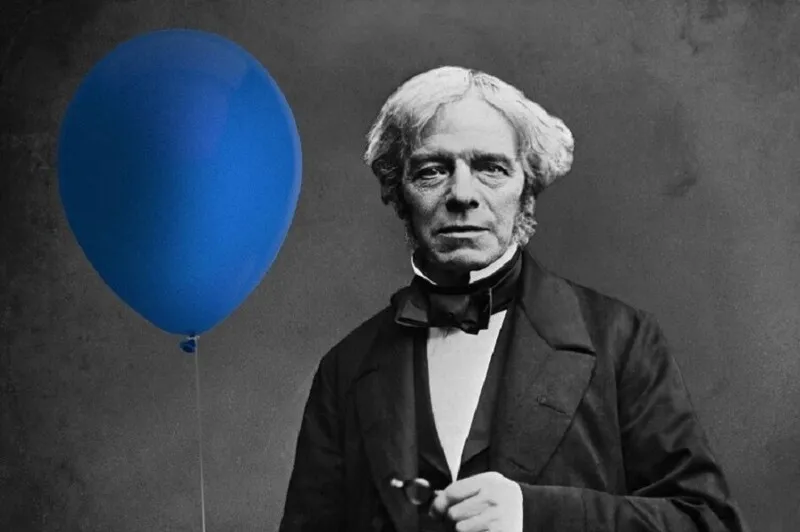
Moving into the early 19th century, a pivotal moment arrived in 1824 with Professor Michael Faraday’s creation of the first rubber balloon. These experimental balloons, constructed by sandwiching rubber sheets with flour and inflated with hydrogen, were primarily tools for scientific demonstrations, particularly showcasing hydrogen’s properties. Their delicate nature and intricate construction prevented them from becoming popular recreational items.
The Rise of Hot Air and Gas Balloons
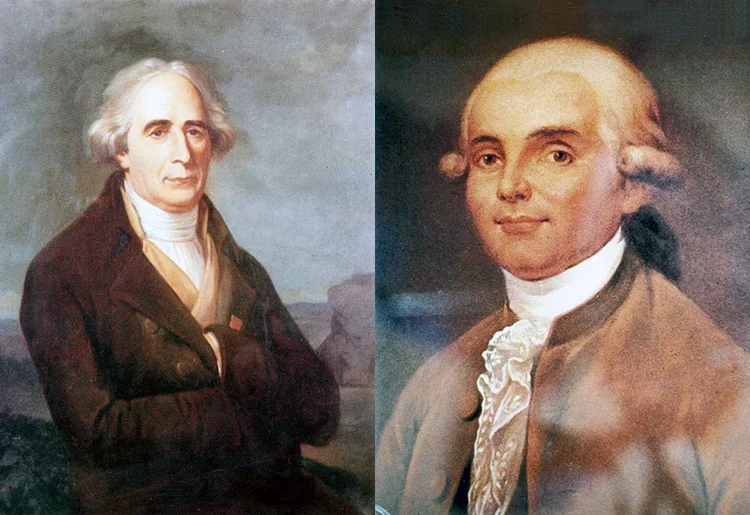
In 1783, the Montgolfier brothers achieved the first untethered manned flight in a hot air balloon they had constructed. This momentous occasion captivated the world and marked the beginning of a new era of aerial exploration. Hot air balloons work on the principle that heated air is less dense than the surrounding cooler air, causing the balloon to experience an upward buoyant force. The Montgolfiers’ success spurred further experimentation and development in ballooning technology.
Following closely on the heels of the hot air balloon came the development of gas balloons. Unlike hot air balloons, which require a continuous heat source, gas balloons utilize gases that are inherently lighter than air, such as hydrogen. Hydrogen, though highly flammable, provided greater lift and longer flight durations compared to hot air. The first manned hydrogen balloon flight took place in December 1783, just a few months after the Montgolfiers’ groundbreaking achievement.
The invention of the gas balloon opened up new possibilities for scientific exploration, military reconnaissance, and even early forms of mail delivery. Balloons became symbols of innovation and progress, capturing the imagination of the public and inspiring further advancements in aviation. Throughout the 19th century, ballooning evolved, with improvements in materials, construction techniques, and control mechanisms. Balloons were used for daring ascents to record altitudes, long-distance voyages, and even attempts to cross oceans.
Balloons Enter Popular Culture

The captivating spectacle of early balloon ascents naturally drew public attention, transforming scientific demonstrations into thrilling forms of entertainment. The sheer novelty of witnessing human flight, even tethered ascents, sparked widespread fascination and awe. As balloon technology matured, these aerial marvels became prominent attractions at fairs and public gatherings, offering a unique and visually stunning experience for the masses.
Circuses, always seeking novel acts, incorporated balloons into their performances, adding an element of daring and spectacle. Furthermore, the inherent visibility of large balloons made them ideal for early advertising, with businesses utilizing them to draw attention and promote their wares, marking a significant shift towards their integration into popular culture.
From Science to Entertainment
The spectacle of early balloon ascents drew massive crowds, transforming them into public events and forms of entertainment. Aeronauts became celebrities, and their daring feats of flight were widely reported in newspapers and captured the public’s imagination. These early demonstrations often took place at fairs, festivals, and public gatherings, showcasing the marvel of human flight.
As the 19th century progressed, balloons began to find their way into more formalized forms of entertainment. Circuses incorporated balloon acts into their performances, with clowns and acrobats utilizing balloons for comedic routines and aerial displays. World’s fairs and expositions often featured grand balloon ascents and demonstrations, highlighting the latest advancements in balloon technology.
The visual appeal of balloons also made them attractive for early advertising and promotional purposes. Businesses began to use tethered balloons to display their names or products, drawing attention from afar. The sheer novelty of a large, floating object was an effective way to capture the public’s eye in an era before widespread mass media.
How Balloons Became a Party Essential

The transformation of balloons into party staples was a gradual process driven by advancements in materials and shifting social norms. Goodyear’s vulcanized rubber in the mid-19th century made balloons more durable and affordable, increasing their availability. However, it was the 20th century development of inexpensive, versatile latex balloons that truly revolutionized their use in celebrations.
The introduction of safe helium as a lifting gas further propelled their popularity, allowing for floating decorations. Coupled with the rise of consumer culture and a greater emphasis on festivities, balloons became a simple, effective, and widely adopted way to add color and joy to birthdays and other special occasions, firmly establishing their place in party culture.
Balloon Materials and Manufacturing: What Makes Them Float?
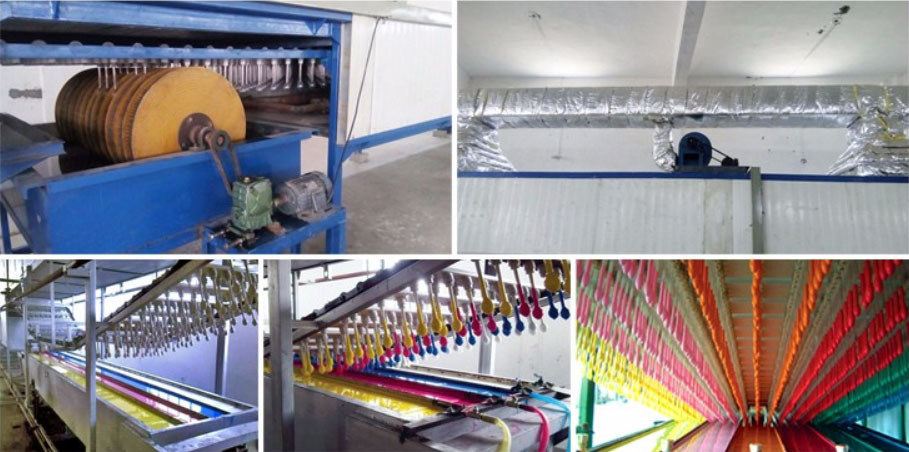
The trajectory of balloon development has been inextricably interwoven with progress in both the materials used in their construction and the methods employed in their manufacture. Early, less robust materials limited the size, durability, and flight duration of balloons. However, breakthroughs like vulcanized rubber and later, latex, dramatically enhanced their elasticity, strength, and ability to retain lifting gases, significantly improving their functionality.
Simultaneously, the evolution of manufacturing processes, from laborious handcrafting to efficient mass production techniques, played a crucial role in making balloons more accessible and affordable to a wider audience. Furthermore, the shift from early materials to modern plastics and the subsequent emergence of environmental concerns have spurred innovation in biodegradable alternatives, highlighting the profound influence of materials and manufacturing on the environmental footprint of balloons.
Evolution of Balloon Materials
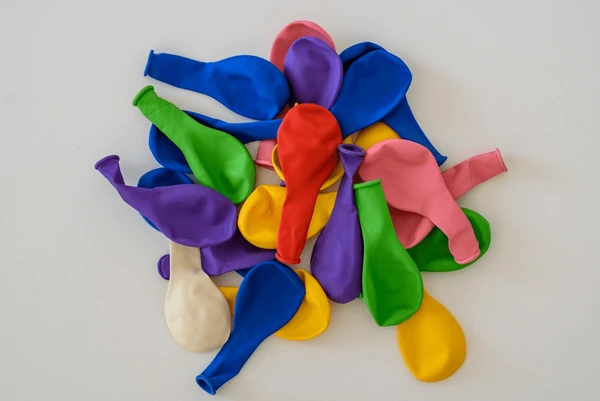
Early balloons utilized diverse materials, each with drawbacks. The Montgolfiers used fabric and paper, requiring constant heat. Early gas balloons employed varnished silk or rubberized fabric, prone to leaks, while animal bladders were small. Rubber’s advent, particularly vulcanized rubber by Goodyear, marked a breakthrough, enabling stronger, more elastic balloons.
The 20th century saw latex become dominant for affordable, colorful party balloons, mass-produced via dipping. More recently, foil balloons gained popularity for their intricate designs and longer helium retention due to their metalized plastic construction.
The Science Behind Floating Balloons

The principle of buoyancy, where an upward force opposes an object’s weight in a fluid (like air), governs how balloons float. Archimedes’ principle clarifies this: the buoyant force equals the weight of the displaced fluid. Hot air balloons rise because heated air is less dense than the surrounding cooler air. Gas balloons, particularly those filled with helium (significantly lighter than air), displace a heavier volume of air, generating lift.
Conversely, air-filled balloons don’t float as the internal and external air densities are similar. A balloon’s float duration is influenced by factors like the permeability of the material (especially for helium in latex), temperature changes affecting gas volume, altitude affecting air density, and the balloon’s quality.
Fun and Lesser-Known Facts About Balloons

The Largest Balloon Ever Flown:
The Cameron Z-1600, nicknamed “The Beast,” holds the record for the largest hot air balloon ever flown. It had a volume of approximately 1.6 million cubic feet (around 45,300 cubic meters). This colossal balloon was designed for a round-the-world attempt.
Record-Breaking Balloon Releases:
While visually stunning, large-scale balloon releases have become increasingly controversial due to their environmental impact. One of the most famous (and later regretted) examples was the “Balloonfest ’86” in Cleveland, Ohio, where over 1.5 million balloons were released simultaneously. The sheer volume of balloons caused various problems, including disrupting air traffic and even contributing to a drowning accident.
Balloons and Global Celebrations:
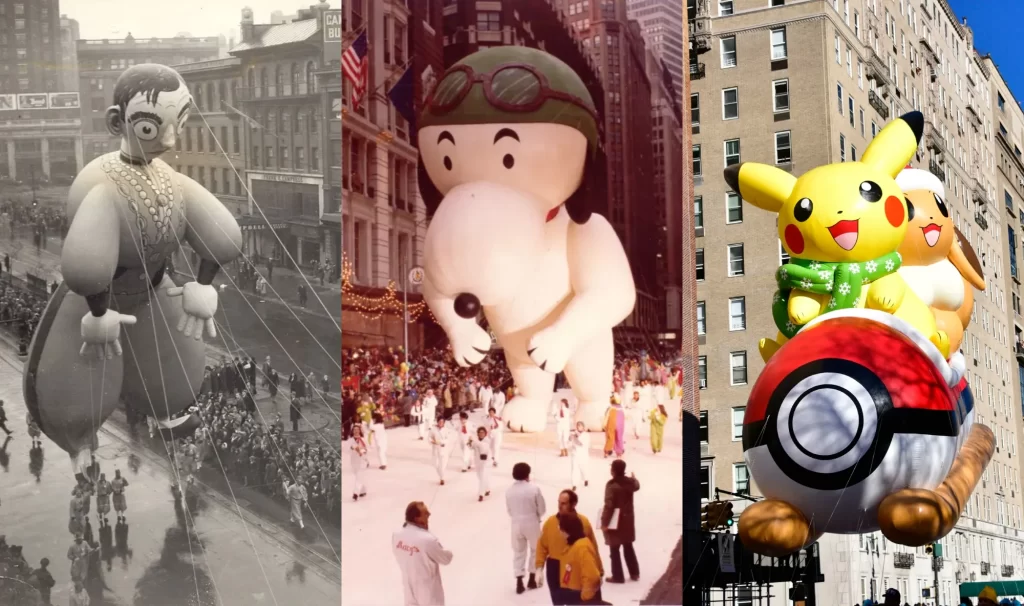
Balloons play a significant role in many major global celebrations. For instance, the Macy’s Thanksgiving Day Parade in New York City is renowned for its giant character balloons. Similarly, New Year’s Eve celebrations in various cities around the world often feature elaborate balloon drops as part of the festivities.
Early Balloon Mail:
In the early days of ballooning, balloons were sometimes used to carry mail across long distances, particularly before the development of reliable airmail services. These “balloon posts” often relied on wind currents and were not always a dependable method of delivery.
Balloons in Military History:
Balloons have been utilized for military purposes throughout history, primarily for reconnaissance and observation. During the American Civil War and World War I, tethered balloons provided valuable aerial perspectives for surveying enemy positions and directing artillery fire
Conclusion
Balloons have seamlessly integrated themselves into our cultural landscape, becoming an indispensable part of our parties, festivals, and special occasions. They evoke feelings of joy, wonder, and a touch of lightheartedness. The evolution of balloon design and the increasing availability of helium have further cemented their role as a versatile and visually appealing decorative element.
Looking ahead, the future of balloons will likely be shaped by a growing awareness of environmental sustainability. The development and adoption of biodegradable materials and responsible disposal practices will be crucial in mitigating the environmental impact of balloon usage. Innovations in balloon art and the personalization of balloons also indicate continued creativity and evolving trends in how we utilize these buoyant wonders.
Gleam Haven is your go-to source for premium balloons and a comprehensive selection of party decor. We cater to every celebration, offering everything from charming baby shower balloons to festive birthday designs, eye-catching number balloons, and timeless party styles. Our commitment lies in providing you with top-tier balloons and knowledgeable assistance, empowering you to expand your product offerings and craft winning, profitable packages for your clientele. Partner with Gleam Haven to take your balloon business to new heights.