



Building strong relationships with retailers is essential for long-term distributor success, a principle that transcends mere transactions and delves into the realm of mutual growth and unwavering trust. This article will serve as your comprehensive guide to navigating the intricacies of retailer relationships, addressing common challenges, and implementing proven strategies for sustained success.
The benefits of fostering these relationships are manifold. Consistent sales, fortified brand loyalty, and enduring partnerships are just the tip of the iceberg. Conversely, neglecting these relationships can lead to fluctuating sales, heightened competition, and ultimately, a diminished market presence.
Understanding Retailer Needs and Expectations
Why Understanding Retailer Needs Matters

Retailers are not simply conduits for your products; they are businesses with unique operational demands and customer bases. Understanding retailer needs is paramount for distributors seeking to establish a competitive edge. Retailers grapple with a multitude of factors, including pricing pressures, fluctuating consumer demand, and the constant need to differentiate themselves. Distributors who demonstrate a keen understanding of these challenges can position themselves as invaluable partners, fostering trust and accelerating the path to long-term collaboration.
Common Expectations Retailers Have from Distributors

Competitive Pricing:
Retailers operate on tight margins, making competitive pricing essential. Distributors must offer structures that reflect market value and the retailer’s cost needs. This necessitates understanding competitor pricing and the retailer’s financial landscape. Consistent, competitive pricing fosters mutual benefit, demonstrating a commitment to the retailer’s profitability. Tailored pricing strategies build trust, ensuring a partnership where both parties thrive. Understanding the retailer’s specific cost structure allows for a strong long term business relationship.
Reliable Product Quality:
Consistent product quality is vital for maintaining customer satisfaction and brand reputation. Retailers depend on reliable products to meet expectations. Distributors must prioritize quality control throughout production and distribution. This includes sourcing high-quality materials, enforcing stringent manufacturing standards, and conducting thorough inspections. Ensuring product reliability safeguards the retailer’s brand and builds trust. Maintaining consistent quality ensures customer loyalty and enhances the retailer’s credibility.
Clear Communication and Regular Updates:
Timely information is crucial for retailers to manage inventory and meet demand. Distributors must establish robust communication channels, providing regular updates on product availability, promotions, and delivery schedules. Utilizing various communication methods ensures information accessibility. Open, transparent communication minimizes disruptions and enhances operational efficiency. Keeping retailers informed builds a strong and effective partnership.
Flexibility in Payment and Order Terms:
Recognizing diverse retailer needs, distributors should offer flexible payment options and adaptable order terms. This enhances satisfaction and facilitates smoother transactions. Options like extended payment terms and flexible credit limits demonstrate commitment. Adapting order terms to retailer requirements, such as minimum quantities and delivery schedules, builds trust. Flexibility fosters loyalty and improves the overall retailer experience.
Prompt and Efficient Delivery:
Timely delivery is critical for retailers to maintain inventory and meet customer expectations. Delays lead to stockouts and lost sales. Distributors must prioritize efficient logistics and transportation. This includes optimizing routes, using reliable carriers, and providing real-time tracking. Consistent, on-time delivery minimizes disruptions and solidifies a distributor’s reputation as a reliable partner. Efficient delivery ensures customer satisfaction and operational efficiency.
Marketing and Sales Support:
Retailers benefit from distributor assistance with marketing materials, product training, and promotional strategies. Providing high-quality materials, training sessions, and collaborative campaigns enhances sales. Empowering retail staff with product knowledge and effective sales techniques drives customer engagement. Collaborative efforts boost brand visibility and sales potential. Comprehensive marketing and sales support enables retailers to maximize their sales and strengthen the partnership.
How Understanding Needs Builds Stronger Relationships
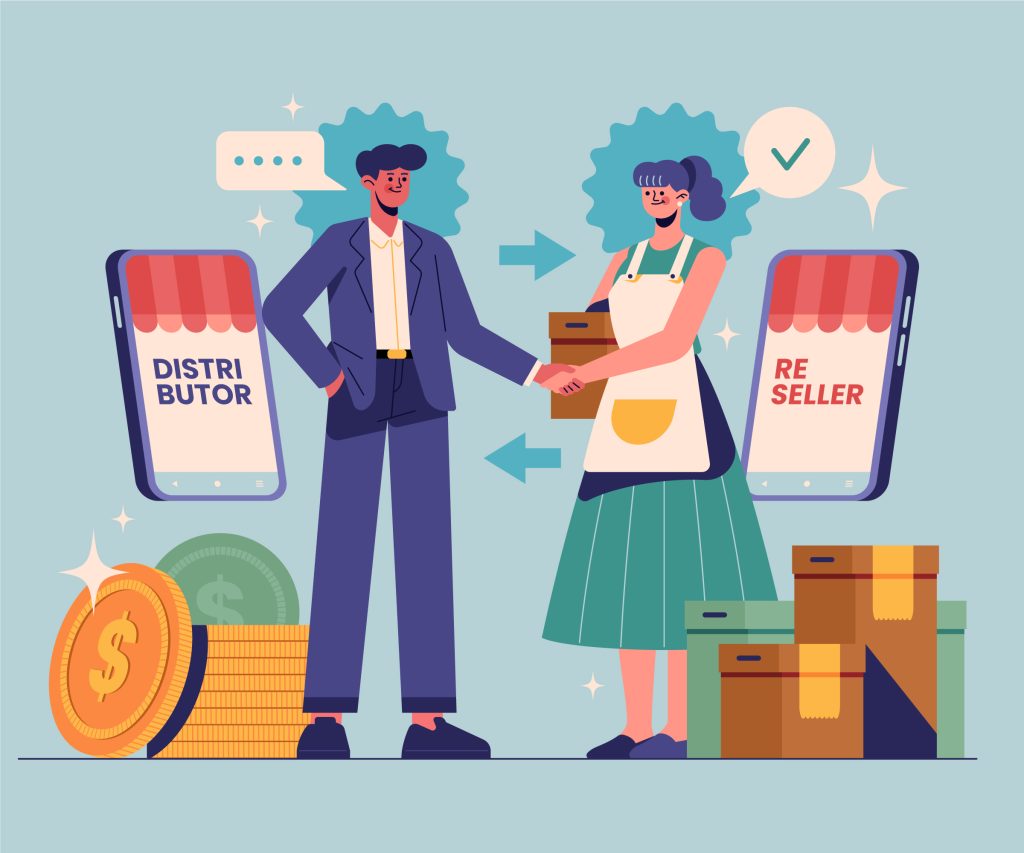
By meticulously addressing these expectations, distributors can forge stronger, more resilient relationships. Customizing offers and services to align with each retailer’s specific needs demonstrates a commitment to their success. Sharing valuable data and insights, such as market trends and consumer preferences, empowers retailers to make informed decisions and drive sales growth. Furthermore, proactive problem-solving, anticipating and addressing potential pain points, solidifies the distributor’s role as a reliable and trusted partner.
Tips for Finding and Approaching Potential Retail Customers
Where to Find Retail Customers

Trade Shows and Industry Exhibitions:
These events serve as vital hubs for networking and product showcasing. They offer direct interaction with potential retail partners, allowing for immediate feedback and relationship building. Exhibitions provide a platform to demonstrate product value and establish brand presence within the industry.
Online B2B Platforms and Directories:
Digital platforms expand reach, granting access to a wide network of retailers. These online resources facilitate targeted outreach, allowing distributors to connect with specific retail segments. Utilizing these platforms streamlines the process of identifying and engaging potential business partners.
Recommendations and Referrals from Existing Clients:
Leveraging established relationships generates warm leads, facilitating smoother introductions. Referrals carry inherent trust, enhancing credibility and accelerating partnership development. Satisfied clients provide valuable endorsements, opening doors to new retail opportunities.
Market Research on Local Retail Businesses:
Thorough market research identifies retailers aligning with product offerings and target markets. This process allows for strategic targeting, ensuring efficient resource allocation. Understanding local market dynamics enables distributors to tailor their approach and maximize partnership potential.
How to Approach New Retail Customers Effectively

Research each retailer’s business before contacting them:
Demonstrating a genuine understanding of a retailer’s business model and customer base establishes credibility. This personalized approach shows you’ve invested time, indicating a potential for a tailored, mutually beneficial partnership, rather than a generic sales pitch.
Send professional introduction emails with clear value propositions:
Clearly articulating the benefits of partnering with your company is essential for capturing a retailer’s attention. Professional emails outlining distinct advantages, such as increased profit margins or enhanced product offerings, can spark interest and initiate productive conversations.
Highlight how your product/service solves their specific problems:
Focusing on addressing a retailer’s pain points with tailored solutions demonstrates your understanding of their needs. This approach positions your product or service as a valuable asset, solving specific challenges and improving their business operations.
Offer free samples or trial programs to build initial trust:
Allowing retailers to experience your products firsthand builds confidence and reduces perceived risk. This practical approach provides concrete evidence of product quality and effectiveness, significantly enhancing the likelihood of establishing a lasting partnership.
First Impressions Matter

Avoid generic sales pitches that fail to resonate with retailers. Personalize your communication, demonstrating that you have taken the time to understand their business. Be transparent about your terms, pricing, and delivery options from the outset, establishing a foundation of trust and clarity.
How to Build Trusting and Lasting Relationships with Retail Customers

Consistent and Transparent Communication:
Maintaining open lines of communication through regular updates on products, promotions, and delivery is vital. Sharing market insights empowers retailers, keeping them informed and competitive. This transparency fosters trust and strengthens the partnership, ensuring both parties are aligned.
Offering Flexible and Fair Business Terms:
Flexible payment options, discounts, and clear return policies demonstrate a commitment to fairness and mutual benefit. These terms cater to retailer needs, fostering strong relationships built on trust and understanding. Adaptability showcases a willingness to support their business.
Building Personal Rapport:
Cultivating personal connections strengthens retailer relationships. In-person visits and celebrating milestones build trust. Involving retailers in product feedback makes them feel valued. This personal touch fosters loyalty and transforms business interactions into genuine partnerships.
Keeping Your Promises:
Reliability is paramount for successful partnerships. Delivering on time, maintaining quality, and addressing issues fairly builds trust. Consistent performance reinforces your commitment, ensuring long-term confidence and a strong, dependable relationship.
Providing Professional and Dedicated Customer Support
Why Customer Support Matters for Retail Relationships

In the fast-paced retail environment, operational efficiency is paramount. Retailers rely heavily on prompt and efficient support from their distributors to minimize disruptions and maintain smooth, uninterrupted operations. A distributor’s responsiveness in addressing inquiries and resolving issues directly translates to a retailer’s ability to serve their own customers.
When a distributor demonstrates a consistent commitment to timely and effective support, they transcend the role of a mere supplier and evolve into a trusted partner. This reliability fosters a sense of security and confidence, solidifying the foundation for a long-term, mutually beneficial business relationship.
Key Elements of Great Retail Customer Support

Providing dedicated account managers for high-value retailers ensures personalized support, boosting satisfaction through tailored solutions and direct access. A 24/7 helpline offers crucial accessibility during urgent situations, minimizing disruptions and building trust through constant availability. A clear escalation process streamlines complex complaint resolution, ensuring timely solutions and fostering confidence.
After-sales support, including product training, empowers retailers to maximize sales and knowledge. These combined efforts create a comprehensive support system, strengthening partnerships by demonstrating commitment, reliability, and a focus on the retailer’s success.
Using Technology to Improve Support

Utilizing CRM systems to meticulously track communication history allows for a comprehensive record of all interactions, ensuring consistency and personalized service. Automated order tracking provides retailers with real-time visibility into their order status, enhancing transparency and reducing inquiries.
Feedback forms serve as a crucial tool for regularly measuring satisfaction, enabling distributors to gather valuable insights for continuous improvement and to proactively address any concerns. These technological tools collectively contribute to a more efficient, transparent, and customer-centric support system, fostering stronger and more reliable retailer relationships.
Strategies for Increasing Sales to Retail Customers
Help Retailers Sell More, Not Just Buy More

By providing in-depth training, retailers can articulate product benefits, address customer inquiries, and ultimately drive sales. Sharing high-quality marketing materials, both for in-store and online use, significantly enhances their marketing efforts and drives customer engagement.
These materials can include brochures, digital content, and visual displays, all designed to showcase product value and attract customers. Collaborating on promotions and seasonal campaigns allows for a synergistic approach to boosting sales and brand visibility. By co-hosting these initiatives, distributors and retailers can create impactful campaigns that resonate with customers, leveraging each other’s strengths to maximize reach and effectiveness.
Offer Attractive Incentives

Offering exclusive product bundles to loyal retailers strengthens partnerships and drives sales by providing valuable, tailored packages. This rewards sustained collaboration, fostering deeper connections. Providing early access to new product launches gives retailers a competitive edge, generating excitement and reinforcing their valued status.
Implementing volume-based discounts or loyalty points incentivizes larger orders and repeat business, rewarding ongoing engagement and ensuring sustained sales. These strategies enhance retailer loyalty through tangible benefits and recognition, solidifying long-term, mutually beneficial relationships.
Use Data to Suggest Smart Reordering

Analyzing past orders to suggest ideal reorder times empowers retailers with optimized inventory management, effectively minimizing stockouts and ensuring consistent product availability. This proactive approach helps retailers avoid lost sales and maintain customer satisfaction. Utilizing seasonal sales data to recommend stock adjustments enables retailers to adapt to fluctuating demand, maximizing sales potential during peak periods and minimizing excess inventory during slower times.
Notifying retailers of trending products in their specific region allows them to capitalize on emerging trends, driving sales by offering in-demand items. This strategic information sharing ensures retailers stay ahead of the curve, enhancing their competitiveness and profitability.
Collaborate on Sales Goals

This joint effort creates a unified vision, enhancing teamwork and strengthening the partnership. Offering additional incentives for achieving these shared goals motivates retailers and drives performance, encouraging them to exceed expectations. These incentives provide tangible rewards, reinforcing commitment and boosting morale.
Tracking sales progress together ensures transparency and accountability, allowing both parties to monitor performance and identify areas for improvement. This collaborative monitoring fosters open communication and facilitates proactive adjustments, ensuring both the distributor and retailer remain aligned and on track.
How to Effectively Resolve Customer Problems and Complaints

The Importance of Fast Complaint Resolution:
Delays in addressing retailer complaints can severely erode trust, inflicting lasting damage on the distributor-retailer relationship. In the retail landscape, retailers vividly recall the manner in which problems are resolved, often more so than the initial issue itself.
Swift and effective complaint resolution demonstrates a commitment to customer satisfaction and reinforces the distributor’s reliability. This proactive approach not only mitigates potential negative impacts but also strengthens the partnership by showcasing a dedication to addressing concerns promptly and fairly.
Steps to Handle Complaints Professionally:
When a complaint arises, immediate acknowledgment of the issue is paramount, demonstrating empathy and responsiveness. Following this, a thorough internal investigation to gather all pertinent facts ensures a comprehensive understanding of the situation. Proposing fair and equitable solutions, such as replacements, refunds, or future discounts, addresses the retailer’s concerns directly.
Consistent communication of updates throughout the resolution process maintains transparency and keeps the retailer informed, fostering trust and demonstrating a commitment to resolving the issue to their satisfaction.
Turning Problems into Opportunities:
Complaints should be viewed as valuable opportunities to review and refine internal processes, identifying areas for improvement and enhancing overall service quality. Seeking feedback after a complaint is resolved demonstrates a genuine commitment to customer satisfaction and provides valuable insights for future enhancements.
A small gesture of gratitude, such as a thank-you note or a minor discount on a future order, reinforces the relationship and expresses appreciation for the retailer’s patience and understanding. By transforming complaints into constructive feedback, distributors can strengthen their partnerships and build a reputation for exceptional customer service.
Conclusion
In conclusion, building strong relationships with retailers is not merely a transactional endeavor; it is a strategic imperative that requires unwavering commitment, transparency, and a focus on mutual growth. By understanding retailer needs, providing exceptional support, and fostering personal connections, distributors can unlock long-term success and establish enduring partnerships. Remember, treating retailers as partners, not just customers, is the key to thriving in today’s competitive marketplace.
Gleam Haven is your go-to source for premium balloons and a comprehensive selection of party decor. We cater to every celebration, offering everything from charming baby shower balloons to festive birthday designs, eye-catching number balloons, and timeless party styles. Our commitment lies in providing you with top-tier balloons and knowledgeable assistance, empowering you to expand your product offerings and craft winning, profitable packages for your clientele. Partner with Gleam Haven to take your balloon business to new heights.
Contact Information:
Hotline: +61 422 43 9595
Email: info.gleamhaven@gmail.com
Building Strong Relationships with Retailers: A Distributor’s Guide