



Balloon safety is paramount when creating memorable events. Balloons, with their inherent ability to add joy and a touch of elegance, are a staple in celebrations of all kinds. However, without proper handling, these festive decorations can pose risks. From corporate galas to intimate celebrations, balloons add a touch of whimsy and elegance, creating memorable moments. However, the joy they bring must be balanced with a keen awareness of safety. Improper handling and disregard for safety guidelines can lead to accidents and environmental hazards, detracting from the very essence of the celebration.
At Gleam Haven, we understand that every detail counts, and our balloon decorations are designed not only to complement your events but also to elevate the entire atmosphere responsibly. We are deeply committed to ensuring that every balloon display we create is not just a visual spectacle but also a testament to safety and environmental stewardship. This blog post aims to provide a comprehensive guide to balloon safety, emphasizing how to enjoy these festive decorations while minimizing risks and maximizing fun. We believe in creating moments that are both beautiful and safe, ensuring that your celebrations are filled with joy, not worry. By embracing responsible practices, we can all contribute to a safer, more enjoyable, and environmentally conscious celebration.
Guidelines for Handling Helium Balloons Safely
Helium balloons have captured hearts with their enchanting floating effect, adding a touch of magic to any occasion. Their popularity stems from their aesthetic appeal and ability to create a visually captivating atmosphere. However, the unique properties of helium require careful handling to ensure safety. Here are some guidelines that you should follow:
Risks of Oxygen Deprivation

The practice of inhaling helium for its voice-altering effect, while seemingly harmless fun, carries significant risks due to oxygen deprivation. Helium, an inert gas, displaces the oxygen in your lungs when inhaled. This displacement can lead to a rapid reduction in the oxygen supply to your brain and other vital organs, resulting in dizziness, lightheadedness, and, in severe cases, loss of consciousness. Prolonged or repeated exposure can lead to more serious consequences, including asphyxiation and even death. It’s crucial to understand that even a brief inhalation can have detrimental effects, particularly for individuals with pre-existing respiratory conditions.
Gleam Haven strongly advises against inhaling helium under any circumstances. We prioritize the safety and well-being of our clients and their guests, and educating them about the potential dangers of helium inhalation is a fundamental aspect of our commitment to responsible event management.
Secure Balloons With Weights – Prevent Them From Floating Away

The whimsical nature of helium balloons, their ability to float and add a touch of magic to any event, also presents a potential hazard if not properly managed. Unsecured balloons can easily drift away, becoming litter and posing a threat to the environment and public safety. To mitigate this risk, it’s essential to secure helium balloons with appropriate weights.
The weight should be sufficient to counteract the buoyancy of the balloon, preventing it from floating away even in moderate winds. The choice of weight should also be considered; using environmentally friendly, reusable weights is a practice that Gleam Haven encourages. Furthermore, proper placement of weighted balloons is crucial, ensuring they are positioned in a way that minimizes the risk of tripping or entanglement.
By taking these precautions, we can enjoy the aesthetic appeal of helium balloons while minimizing their potential impact on the environment and ensuring the safety of event attendees. Gleam Haven’s event planning always includes a thorough risk assessment, including proper balloon weighting.
Keep Away from Power Lines to Avoid Electrical Hazards
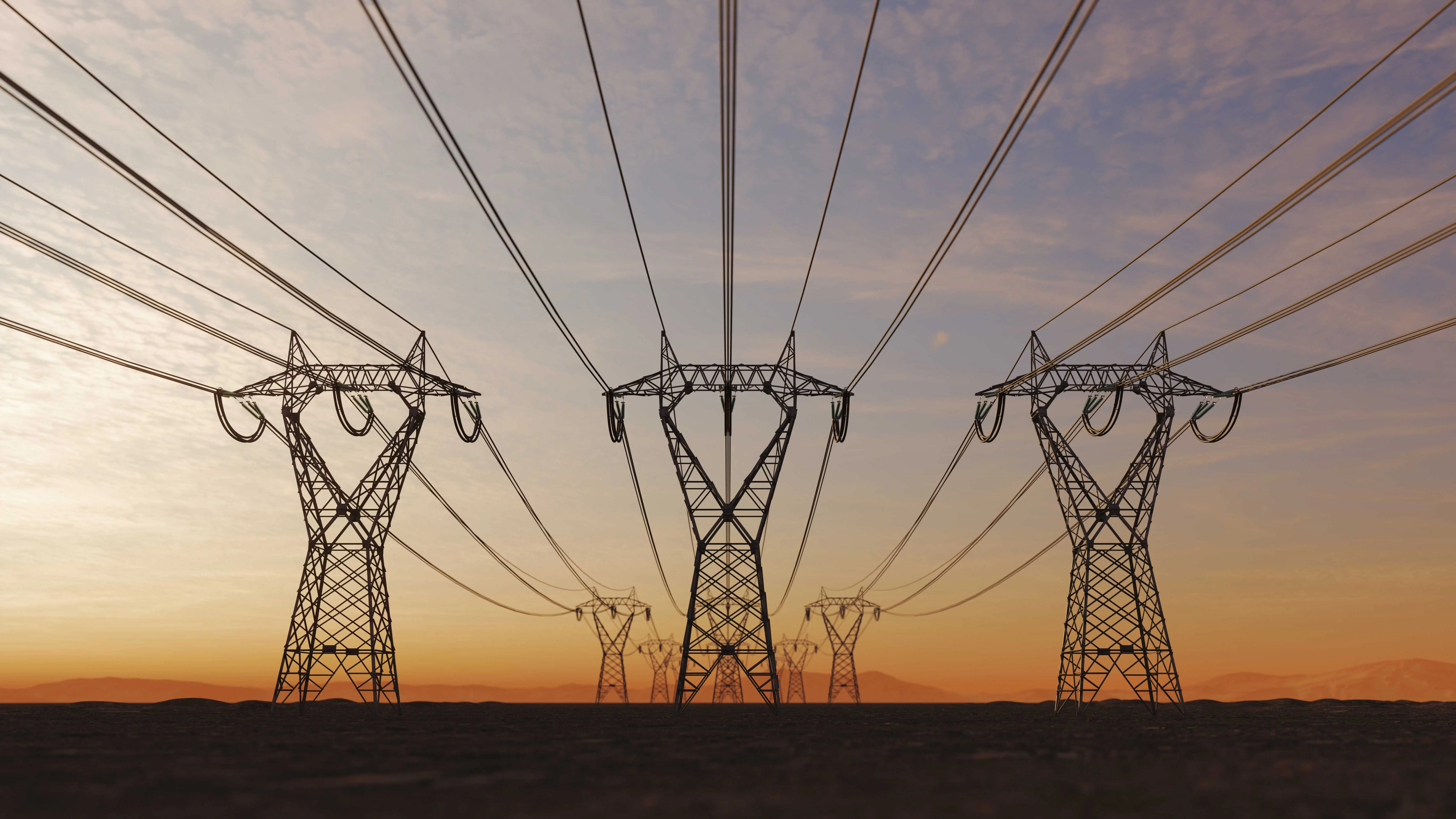
Helium balloons (or gas balloon – Wikipedia), especially metallic or foil balloons, pose a significant electrical hazard when they come into contact with power lines. The conductive properties of these balloons can create a pathway for an electrical current, leading to power outages, equipment damage, and even fires. This risk is particularly pronounced in outdoor settings where balloons may be carried by wind currents.
To prevent such incidents, it’s crucial to keep helium balloons away from power lines at all times. This includes ensuring that balloons are securely anchored to prevent them from drifting into power lines. Event organizers should also be mindful of the surrounding environment when planning balloon displays, selecting locations that are free from overhead power lines and other electrical hazards. Gleam Haven’s professional installation teams are trained to assess potential electrical risks and take appropriate precautions to ensure the safety of event attendees and the surrounding community.
Use a Helium Tank Properly, Following Manufacturer Guidelines
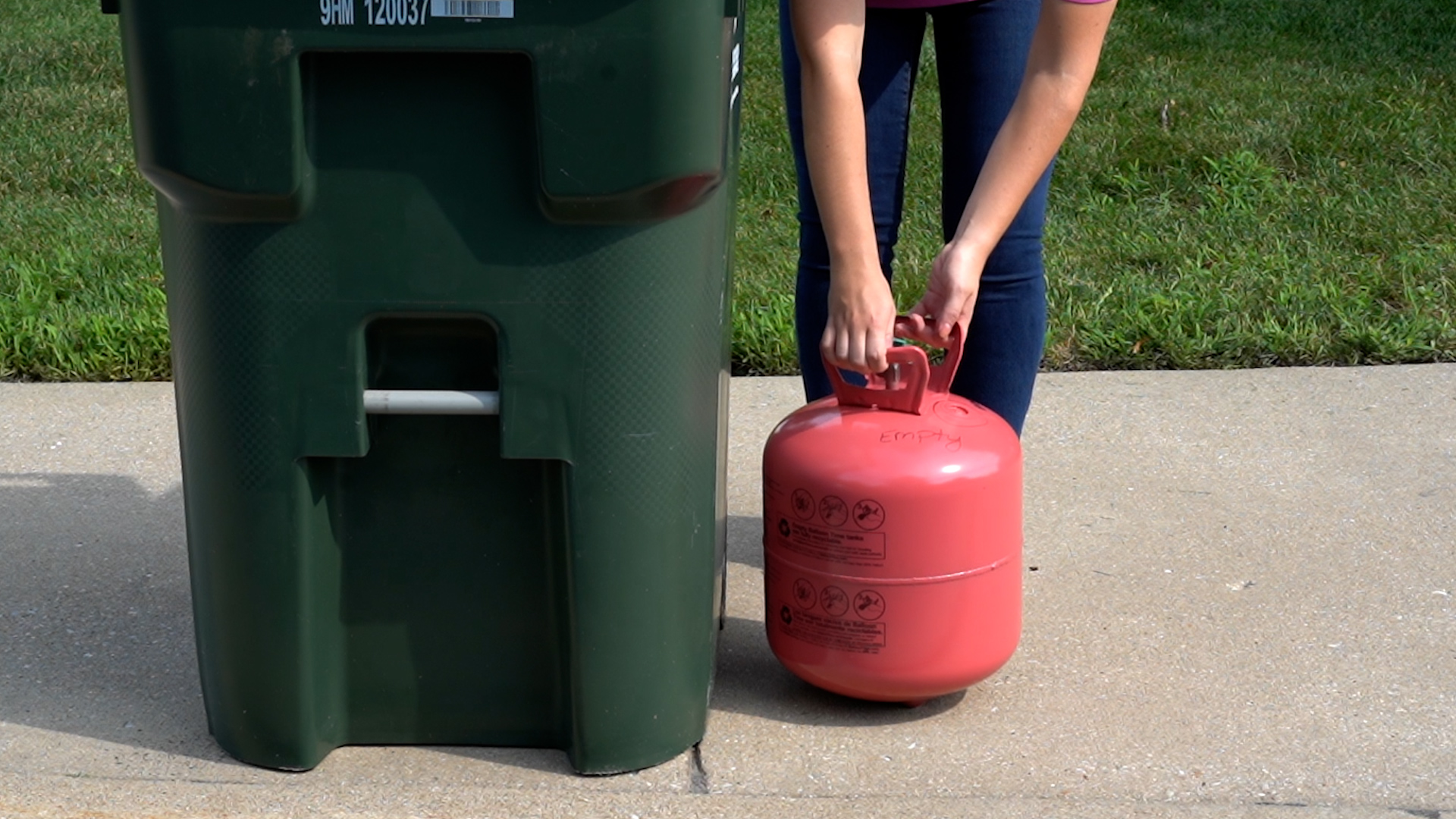
The safe handling of helium tanks is paramount to prevent accidents and ensure the efficient use of helium. Helium tanks are under high pressure, and improper handling can lead to leaks, explosions, and other hazards. To ensure safety, it’s essential to follow the manufacturer’s guidelines meticulously. This includes storing tanks in a well-ventilated area, away from heat sources and direct sunlight.
When filling balloons, use the appropriate nozzle and regulator to control the flow of helium and prevent overinflation. Always inspect the tank and regulator for any signs of damage or leaks before use. If any defects are detected, do not use the tank and contact the supplier immediately. Gleam Haven’s staff are fully trained in the safe use and storage of helium tanks. We prioritize safety in every aspect of our service, from selecting the best equipment to providing comprehensive training to our team members.
Tips for Preventing Balloon-Related Accidents
Choking Hazards for Children
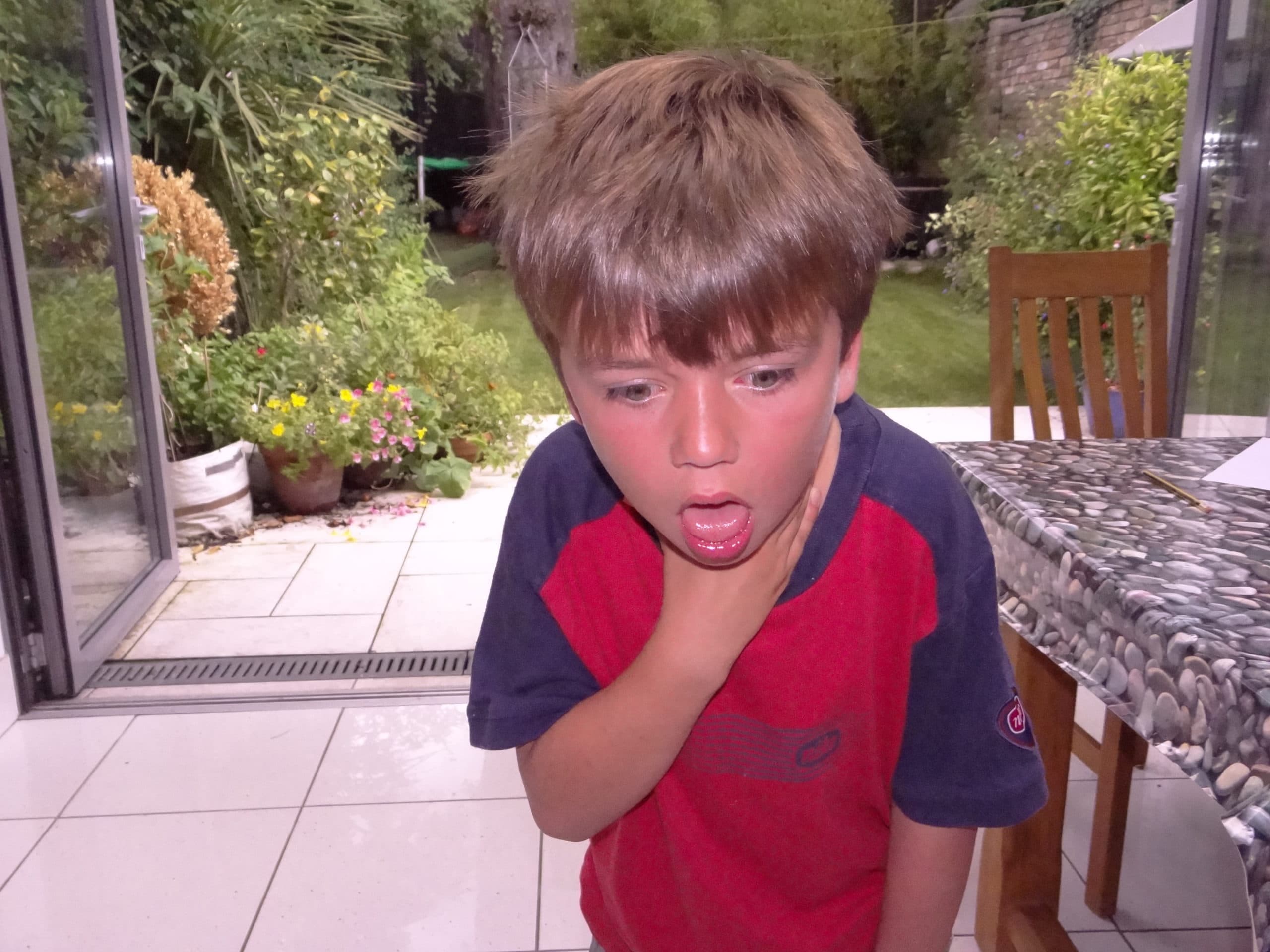
The playful and visually appealing nature of balloons can, unfortunately, pose a significant choking hazard, particularly for young children. Latex balloons, when burst, can create small, pliable pieces that are easily ingested. These fragments can become lodged in a child’s throat, obstructing their airway and leading to choking. Due to the pliability of latex, these pieces can conform to the shape of the airway, making them difficult to dislodge.
Therefore, constant and vigilant supervision of children under eight years old is crucial when they are playing with or around balloons. It’s not enough to simply be present; active engagement and monitoring are essential. Parents and caregivers should be educated about the potential dangers, and balloons should be kept out of reach when not in use.
Gleam Haven understands the importance of child safety and strongly recommends that event organizers implement strict supervision protocols and consider alternative decorations in areas where young children will be present. We believe that a safe environment is the foundation of a joyful celebration.
Preventing Sudden Pops
The sudden burst of a balloon can not only startle attendees but also create small fragments that pose choking hazards and contribute to litter. Preventing these sudden pops is crucial for maintaining a safe and enjoyable event atmosphere. Overinflation is a primary cause of balloon bursts. When balloons are inflated beyond their capacity, the latex becomes stretched and weakened, making them susceptible to rupturing.
To avoid this, carefully follow inflation guidelines and avoid overfilling balloons. Moreover, it is vital to keep balloons away from sharp objects, such as pins, staples, and rough surfaces, which can puncture the latex. Heat and direct sunlight can also weaken the latex, causing it to become brittle and prone to bursting. When planning outdoor events, consider the potential impact of sunlight and temperature fluctuations on balloon integrity.
Safe Balloon Placement at Events
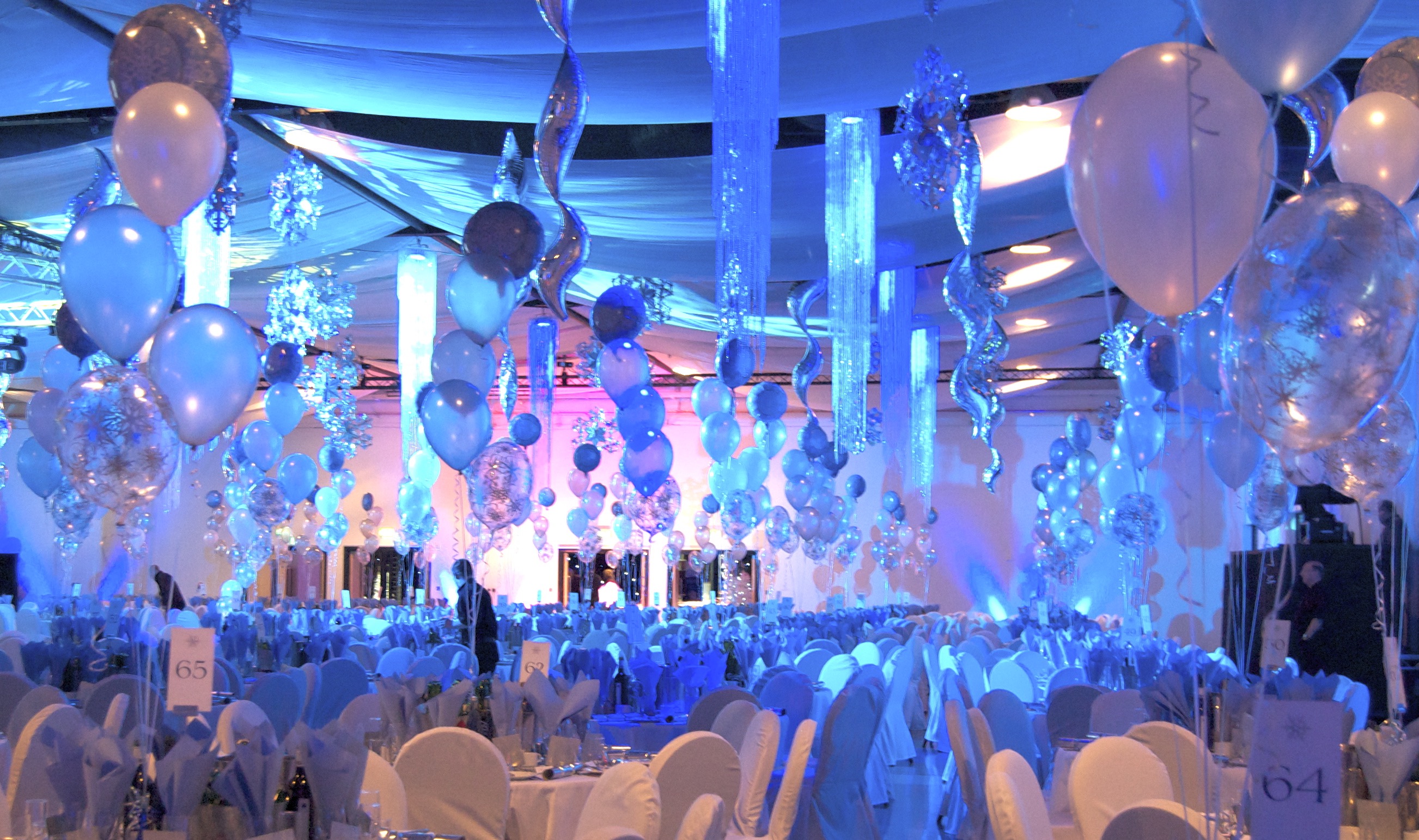
The strategic placement of balloons at events is essential for both aesthetic appeal and safety. Large balloon installations, such as arches and columns, should be securely anchored to prevent them from toppling or being blown away by wind. Improperly secured installations can create tripping hazards and cause injuries. For outdoor setups, weighted bases are crucial for maintaining stability, especially in windy conditions.
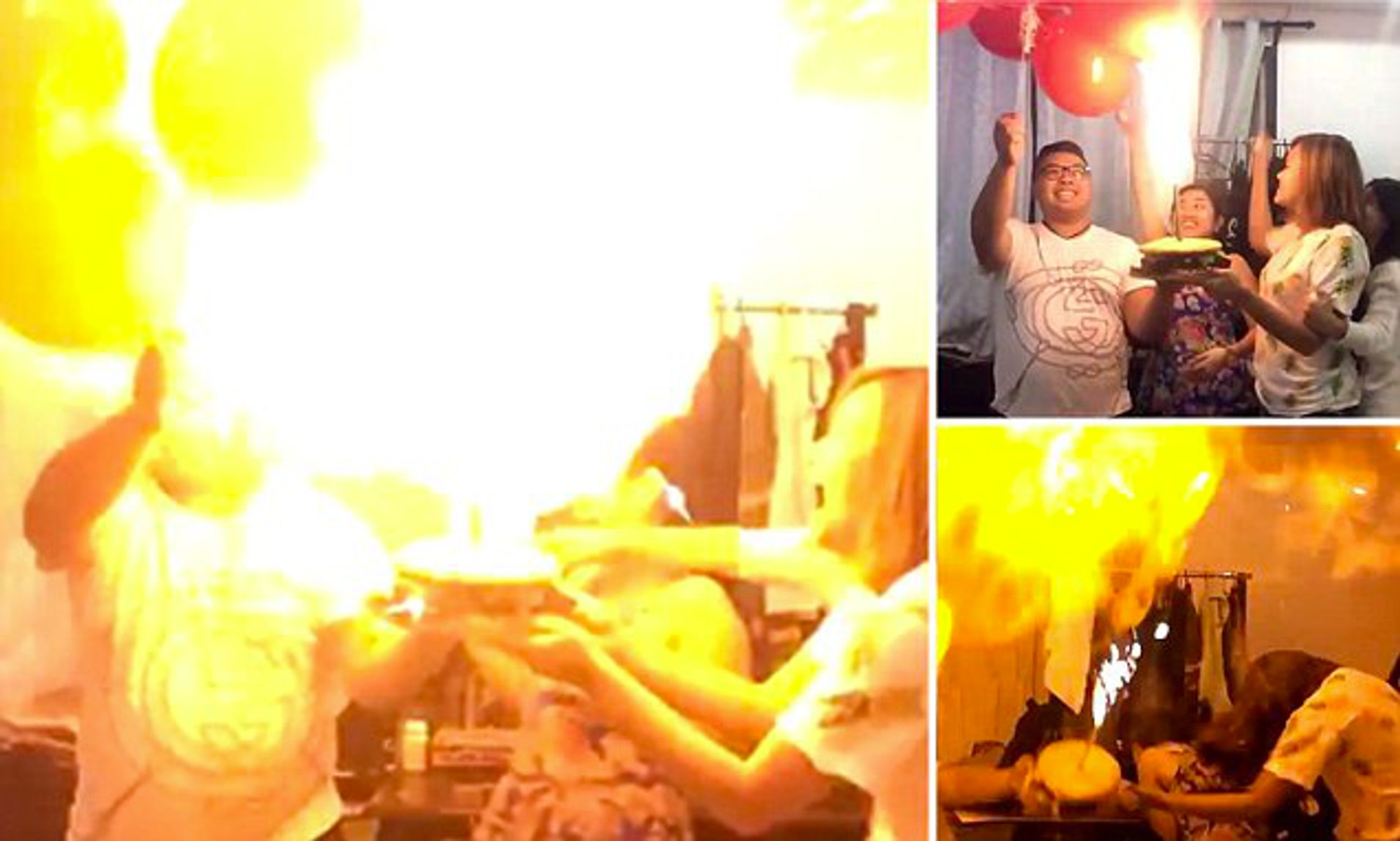
The weight of the bases should be sufficient to counteract the buoyancy of the balloons and the force of the wind. Furthermore, it is imperative to keep balloons away from potential ignition sources, such as candles, fireplaces, and hot surfaces. The heat from these sources can cause balloons to burst or ignite, posing a fire hazard. When planning balloon displays, the party planner should consider the surrounding environment and identify potential hazards.
How to Dispose of Balloons Responsibly
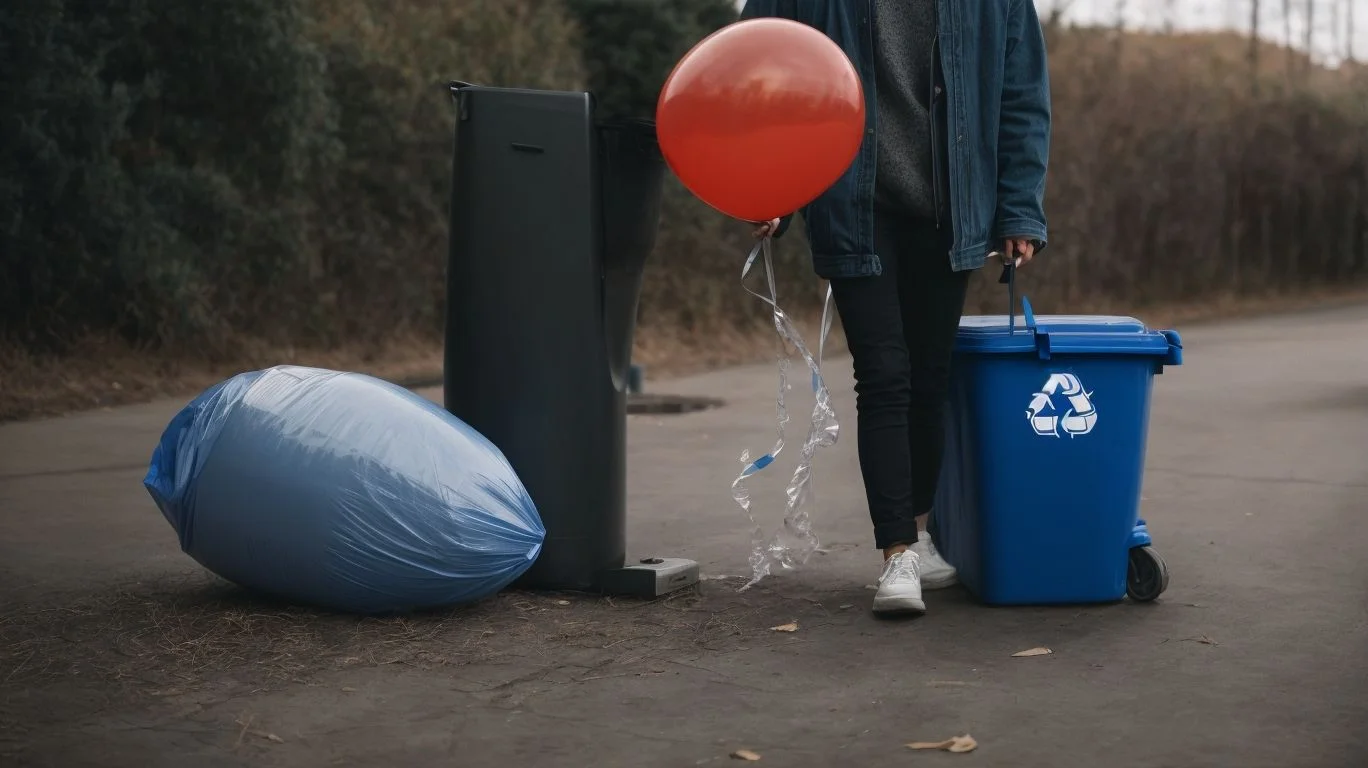
Proper balloon disposal is crucial for minimizing environmental impact. While balloons add joy to celebrations, their improper disposal can harm wildlife and ecosystems. Latex balloons, although biodegradable, can take a considerable amount of time to break down, and foil balloons, which are made of non-biodegradable materials, can persist in the environment for years. Balloon releases, in particular, are detrimental and should be avoided. They contribute to litter, pose a threat to wildlife that may mistake them for food, and can entangle animals, causing injury or death.
Eco-friendly disposal methods include popping balloons and disposing of them in the trash instead of letting them float away. Choosing biodegradable balloons when possible can also reduce environmental impact. Additionally, consider using air-filled decorations instead of helium-filled balloons for longer-lasting décor that doesn’t require helium. Recycling and reusing options are also viable. Foil balloons can be reused for future decorations, and deflated balloons can be repurposed for craft projects.
Understanding Latex Allergies and Balloon Safety Alternatives
- What is a Latex Allergy?
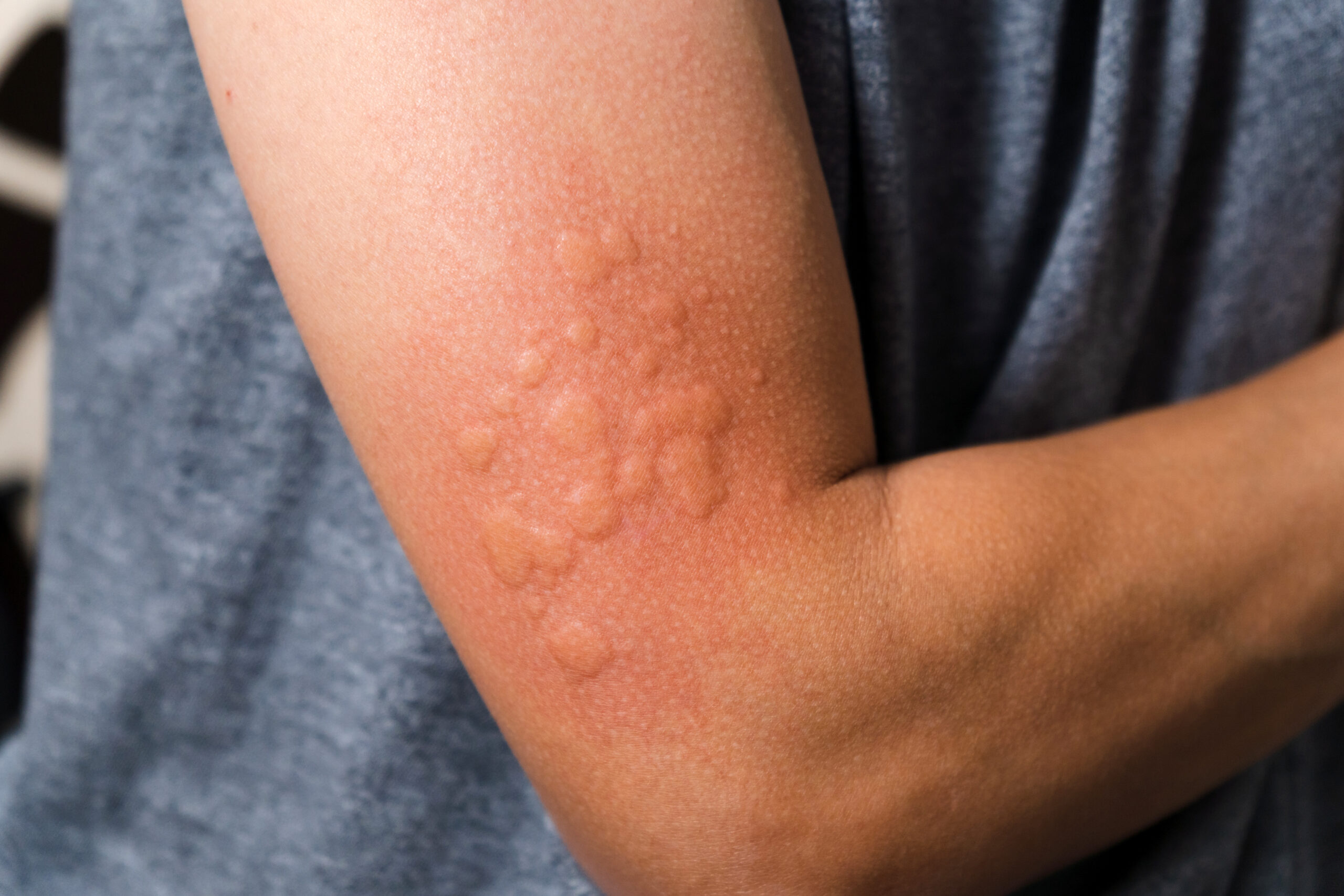
A latex allergy is an immune system reaction to the proteins found in natural rubber latex, a substance derived from the sap of the rubber tree. This allergy can manifest in various ways, ranging from mild irritations to severe, life-threatening reactions. Symptoms can include skin irritation such as itching, redness, and hives, as well as respiratory symptoms like sneezing, runny nose, and difficulty breathing.
In more severe cases, exposure to latex can trigger anaphylaxis, a potentially fatal reaction involving a rapid drop in blood pressure, swelling of the throat, and difficulty breathing. Exposure to latex balloons can trigger these reactions through direct skin contact, inhalation of airborne latex particles, or contact with mucous membranes. The proteins in latex can become airborne when balloons are inflated or burst, making it essential to be aware of the potential risks, especially in enclosed spaces or at large gatherings.
- Who is at Risk?
Certain individuals are at a heightened risk of developing or experiencing severe reactions to latex allergies. Children and adults with existing latex sensitivities, such as those who have experienced previous allergic reactions to latex products, are particularly vulnerable. Frequent exposure to latex products increases the risk of sensitization, which is why healthcare workers who routinely use latex gloves and other medical supplies are also at increased risk. Individuals who have undergone multiple surgeries or medical procedures may also be more susceptible due to repeated exposure to latex.
Additionally, people with certain food allergies, such as allergies to bananas, avocados, kiwis, and chestnuts, may also have a higher risk of latex allergy due to cross-reactivity. Event organizers must be aware of these risk factors and take steps to minimize exposure to latex for at-risk individuals. Gleam Haven emphasizes the importance of inclusivity and safety, and we work closely with our clients to identify and address potential allergy concerns, ensuring a safe and comfortable environment for all guests.
- Safe Alternatives to Latex Balloons
To accommodate individuals with latex allergies and ensure the safety of all attendees, it’s essential to provide safe alternatives to latex balloons. Mylar (foil) balloons are an excellent option, as they are made from a non-latex material and are, therefore, safe for those with latex allergies. These balloons are also known for their durability and long-lasting shine, making them a popular choice for decorations.
Fabric balloon decorations are another innovative and reusable alternative. These decorations offer a unique aesthetic appeal and are completely free from latex, making them a safe and sustainable option. Fabric balloons are also excellent for indoor and outdoor use. When considering balloon decorations, it is important to not only consider the visual aspect but the safety and environmental impact as well.
Conclusion
Balloon safety is paramount for ensuring a fun and worry-free event. By adhering to responsible handling practices, practicing proper disposal methods, and being aware of latex allergies, we can create beautiful and safe celebrations. At Gleam Haven, our mission is to transform your events into memorable experiences with safe, innovative, and elegant balloon décor. We believe every detail counts, and our commitment to safety and environmental responsibility is unwavering.
We invite you to explore our extensive balloon collection, designed to provide the perfect blend of beauty and safety for your next celebration. Let Gleam Haven help you create unforgettable moments that are not only visually stunning but also responsibly executed. With our expertise and dedication, you can rest assured that your event will be a resounding success, filled with joy and free from worry. Choose Gleam Haven for a celebration that sparkles with safety and style.
Contact Information:
Hotline: +61 422 43 9595
Store Location: 8 Hallenstein St, Footscray VIC 3011, Australia
Email: info.gleamhaven@gmail.com