



Balloons add an element of joy to any occasion, whether it’s a birthday party, wedding, or corporate event. However, despite their festive appearance, these floating marvels are highly susceptible to environmental changes. Factors like temperature, humidity, and altitude can significantly affect balloon performance, often determining whether they shrink, expand, or float properly.
In this article, Gleam Haven will explore the science behind floating balloons and how you can manage their behavior in different environments for the best results.
Why Do Balloons Shrink or Expand in Different Weather Conditions?
It’s a common experience to witness balloons that seem to shrink when taken outside on a cold day or expand and even burst when exposed to heat. The science behind this lies in the properties of the gas used to inflate the balloons—often helium—and the material of the balloons themselves. Let’s delve deeper into why this happens.
The Behavior of Gases Under Temperature Changes
The key to understanding why balloons shrink or expand is rooted in the behavior of gases. Helium, the most common gas used in floating balloons, is highly sensitive to temperature fluctuations. When temperatures rise, the helium molecules gain kinetic energy, moving faster and causing the gas to expand. This makes the balloon appear fuller or even stretched.
However, the opposite occurs when temperatures drop. The helium molecules lose energy, causing them to move more slowly and occupy less space inside the balloon. This leads to a noticeable decrease in balloon size, which is why a balloon may look deflated if left outside in cold conditions.
The Charles’s Law and Balloon Volume
The scientific explanation for these changes lies in Charles’s Law, which states that the volume of a gas is directly proportional to its temperature, as long as the pressure remains constant. In other words, as temperature increases, the volume of the gas also increases, and vice versa.
Charles’s Law can explain why a balloon, when exposed to the sun or stored in a warm room, seems to grow larger. It also explains why balloons brought into a cold space tend to shrink. For helium balloons, these changes are especially pronounced because helium is a lightweight gas with low density, making it more responsive to temperature variations.
The Impact on Latex and Mylar Balloons
The material of the balloon also plays a role in how it responds to environmental changes. Latex balloons, made from natural rubber, are more susceptible to the stretching and contracting caused by temperature changes. Their porous nature allows helium to escape gradually, which is why latex balloons tend to lose buoyancy faster than foil or Mylar balloons, which are less porous and better at retaining gas.
In high-temperature environments, latex balloons are at risk of popping because the material becomes overstretched as the helium inside expands. Mylar balloons, on the other hand, are more durable but still expand in heat and can eventually rupture if the temperature becomes too extreme.

How to Store and Transport Helium Balloons Properly
For events requiring the use of floating balloons, ensuring proper storage and transportation is essential to maintain their aesthetic appeal and buoyancy. Mishandling during either process can cause balloons to lose their ability to float or even burst before the event begins.
Storing Helium Balloons for Long-Term Use
Balloons can last longer and maintain their floating ability if stored under optimal conditions. For helium-filled balloons, the best storage temperature is between 65-72°F (18-22°C). This temperature range prevents excessive expansion or contraction of the helium inside the balloons.
Avoiding Direct Sunlight and Heat Sources
Direct exposure to sunlight or sources of heat can be detrimental to floating balloons. Not only does heat cause the helium to expand, but it also weakens the material of the balloon. Latex balloons, for example, become more brittle under high heat, increasing the risk of them popping. Additionally, heat accelerates helium leakage from latex, shortening the lifespan of the balloon’s float time. Mylar balloons, while more durable, can still be damaged by long exposure to heat.
Cold Storage and Balloon Shrinkage
Storing helium balloons in cold conditions isn’t ideal either. When stored in cold environments, the gas inside the balloons contracts, causing them to shrink and lose buoyancy. While they may regain their original size when brought into warmer conditions, the balloons may not perform as well as they did initially, especially if the material has been overstressed from repeated shrinking and expansion.
Transportation Tips for Helium Balloons
Moving helium-filled balloons from one place to another can be challenging. The fluctuation in temperatures between indoor and outdoor environments, as well as the vehicle’s interior conditions, can affect the performance of the balloons.
Preparing Balloons for Long-Distance Travel
If you need to transport helium balloons for an event, make sure that they are stored in a vehicle with air conditioning or at least kept out of direct sunlight. Avoid leaving balloons in a hot car for extended periods, as the rise in temperature can cause the helium to expand rapidly and lead to the balloons bursting. If the balloons are transported in cold weather, try to warm the vehicle’s interior before placing the balloons inside to prevent shrinking during transit.
Using Balloon Bags for Protection
A practical solution for transporting balloons over long distances is using balloon bags. These large, lightweight bags can hold multiple balloons and protect them from damage during transport. Balloon bags also help prevent the balloons from tangling, keeping them in good shape upon arrival at the event venue.

The Impact of Altitude, Humidity, and Temperature on Balloon Decorations
Environmental factors such as altitude, humidity, and temperature can significantly affect how balloons perform and how long they stay afloat. For anyone planning a balloon-heavy event, it’s important to understand these factors to ensure that your decorations look perfect throughout the event.
High Altitude and Balloon Expansion
The higher the altitude, the lower the atmospheric pressure, which can cause helium-filled balloons to expand more than they would at sea level. This is because the pressure inside the balloon remains constant, while the pressure outside the balloon decreases as altitude increases.
Special Considerations for Mountainous Regions
If your event is taking place at a high-altitude location, such as a mountain resort, extra care should be taken when inflating balloons. Overinflating them at ground level can lead to popping when the balloons are taken to higher elevations due to the lower air pressure. To avoid this, balloons should be slightly underinflated before transportation to high-altitude locations.
Humidity’s Role in Balloon Performance
Humidity is another factor that can affect the longevity and appearance of floating balloons. In highly humid environments, latex balloons tend to absorb moisture from the air, which can cause them to become heavier and sink prematurely. Humidity also makes latex more permeable, increasing the rate at which helium escapes from the balloon.
How Humidity Affects Balloon Shape and Lift
In high humidity, you might notice that latex balloons lose their crisp shape and begin to droop. This is because the moisture makes the latex material more flexible, which reduces its ability to hold helium effectively. On the other hand, Mylar balloons are less affected by humidity, as their material is not as porous and does not absorb water.
Maintaining Balloon Performance in Varying Temperatures
As we’ve discussed, temperature is a key factor in balloon performance. Not only does it affect the volume of helium inside the balloon, but it also impacts the strength and flexibility of the balloon material.
Balloon Performance in Hot Weather
In hot environments, floating balloons are prone to overexpansion. Latex balloons, in particular, are at risk of bursting when exposed to prolonged heat. Event planners should take extra care when setting up balloon decorations outdoors on sunny days. Positioning balloon decorations in shaded areas or bringing them inside can help mitigate the risk of them popping.
Balloon Behavior in Cold Weather
Cold weather, on the other hand, causes the helium inside the balloon to contract, making the balloon appear deflated. While this might seem like a temporary issue, prolonged exposure to cold temperatures can cause the balloon material to become brittle, increasing the likelihood of damage.
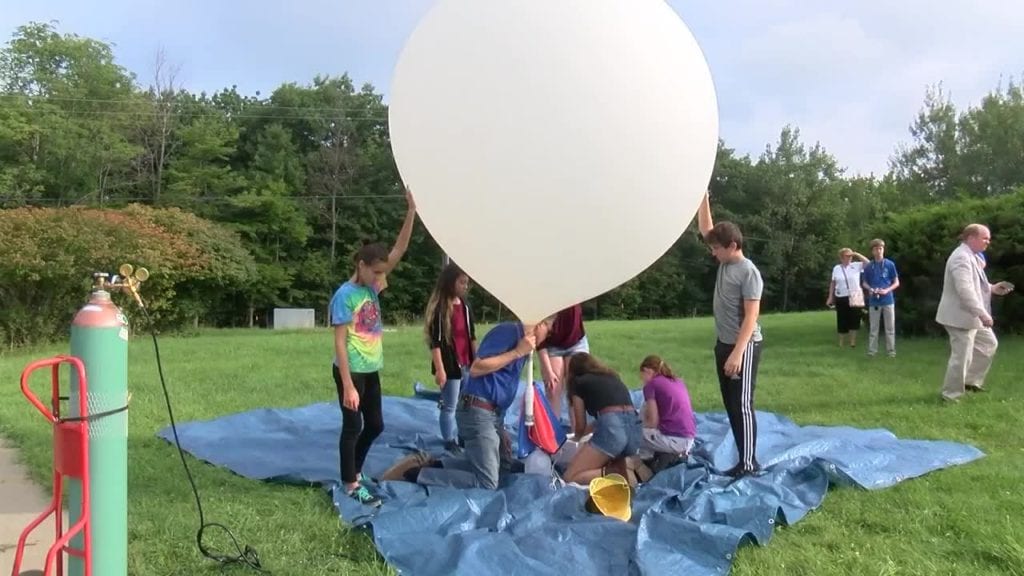
Maximizing the Longevity of Floating Balloons
When planning a large event or even a small gathering, ensuring that your balloons stay afloat for as long as possible is essential. There are a few strategies you can employ to extend the life of your floating balloons.
Using Hi-Float for Longer-Lasting Balloons
One popular product used to extend the life of helium-filled balloons is Hi-Float. This is a liquid solution that coats the inside of latex balloons, creating a barrier that slows down helium leakage. By using Hi-Float, latex balloons can float for several days, compared to the typical 12-24 hours without it.
Hi-Float Application and Best Practices
Applying Hi-Float requires care and attention to detail. Overapplication can weigh down the balloon, while underapplication may not be effective. It’s best to follow manufacturer instructions carefully to ensure the best results. Hi-Float works particularly well for indoor events where the balloons aren’t subjected to extreme temperature changes.

Conclusion
Whether you’re using balloons for a large corporate event or a personal celebration, understanding the science behind floating balloons is crucial to getting the most out of your decorations. Environmental factors such as temperature, humidity, and altitude can have a significant impact on balloon performance, affecting how long they float and how they look.
By storing and transporting your helium balloons properly, paying attention to weather conditions, and considering additional products like Hi-Float, you can ensure that your balloons remain a highlight of your event for as long as possible.
Contact Information:
Hotline: +61 422 43 9595
Email: info.gleamhaven@gmail.com
The Science Behind Floating Balloons – How Temperature & Environment Affect Balloon Performance