

When it comes to event decor, few elements are as vibrant and versatile as balloons. Whether you’re planning a wedding, birthday party, or corporate event, the right balloon setup can transform a space and elevate the overall ambiance. However, achieving that picture-perfect display isn’t always as simple as it seems. Many event planners and DIY decorators make common mistakes that can lead to less-than-ideal results. From selecting the wrong balloon sizes to dealing with unexpected pops and deflation, these missteps can disrupt your event and leave you frustrated.
In this guide, we’ll uncover the most frequent balloon decor mistakes and share expert tips to ensure your next event is a visual success. With a few simple adjustments, you’ll learn how to avoid these pitfalls, prevent mishaps, and create stunning, flawless balloon arrangements that will leave a lasting impression on your guests.
Common Balloon Decor Mistakes to Avoid
Creating stunning balloon decor involves more than just blowing up a few balloons and arranging them in a corner. Common mistakes can lead to a disappointing outcome, causing decor to look unprofessional or fall apart prematurely.
Incorrect Balloon Sizing
Why Sizing Matters
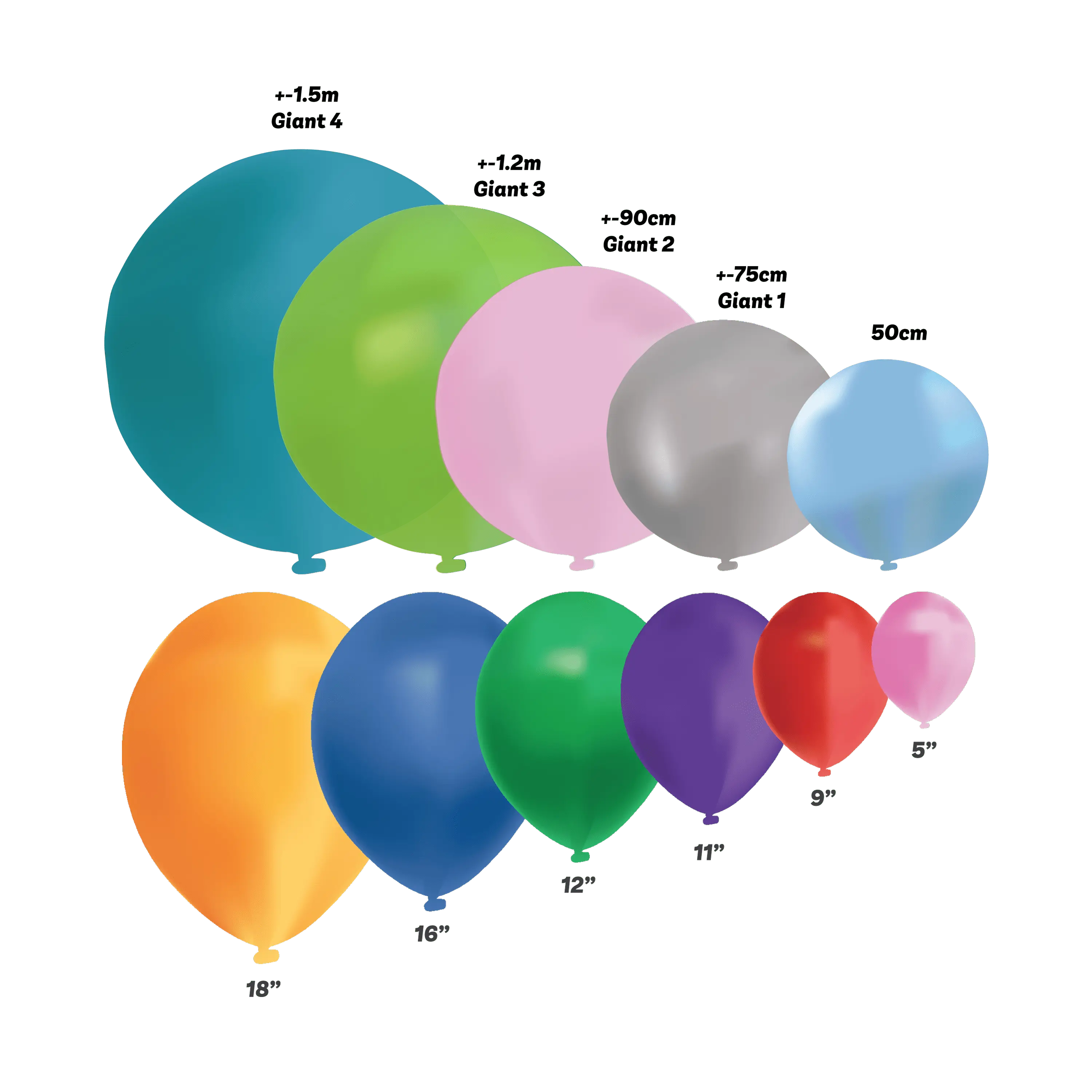
The size of the balloons plays a crucial role in the overall appearance and longevity of your balloon decor. Improperly sized balloons can throw off the balance and proportions of the design, making the display look uneven or chaotic. Larger balloons might dominate the space, while smaller ones can appear insignificant or fail to capture attention. Additionally, if balloons are too large for a certain setup, they may weaken the structure and deflate faster.
For example, using too many large balloons can make the decor seem cluttered, while using smaller ones where larger balloons are needed can lead to a fragile or underwhelming display. Similarly, when balloons are not properly sized for their intended placement, gaps or inconsistencies can form, diminishing the overall visual appeal.
Poor Color Combinations
Choosing the Right Colors
Color choice plays a significant role in the success of balloon decor, directly influencing the event’s theme and atmosphere. Poor color combinations can create a discordant effect, making the decor feel out of place or poorly coordinated. To ensure your balloons complement the event’s vibe, it’s essential to select a color palette that works well with the setting and theme.
For instance, contrasting colors that are opposite each other on the color wheel, like red and green, can create a vibrant, balanced look. Soft pastels paired with bold metallics can add elegance, while neutral tones work best for a professional or understated appearance. When selecting colors, consider how they fit with the event’s overall mood—whether it’s playful, sophisticated, or festive—and make sure they align with the other design elements in the space.
Overinflation
Why Overinflating Is a Problem
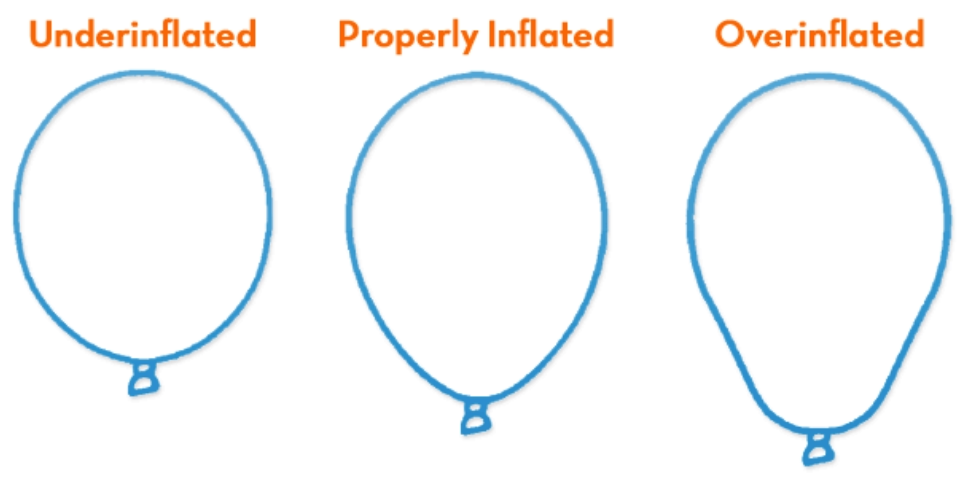
Overinflating balloons is another common mistake that can compromise both the appearance and durability of your decor. Balloons that are overinflated become more fragile and are at a higher risk of popping, which can disrupt the look of your display and cause disappointment. Additionally, overinflated balloons may lose their shape, becoming misshapen or distorted, which negatively affects the overall visual appeal.
To avoid this issue, it’s important to inflate balloons carefully, maintaining a balance between size and shape. Using a balloon pump with pressure control can help ensure consistent inflation without exceeding the ideal size. Checking the balloon’s firmness and shape as you inflate it will also help to avoid overinflation and keep the decor looking polished.
How to Prevent Balloon Pop-Ups and Deflation During Events
Balloons are an eye-catching addition to any event, but they can easily deflate or pop if not handled properly. From temperature changes to external forces, various factors can affect the longevity of your balloon decor. In this section, we’ll explore how to prevent these issues and keep your balloons looking flawless throughout the event.
Understanding Balloon Materials and Conditions
Different Types of Balloons
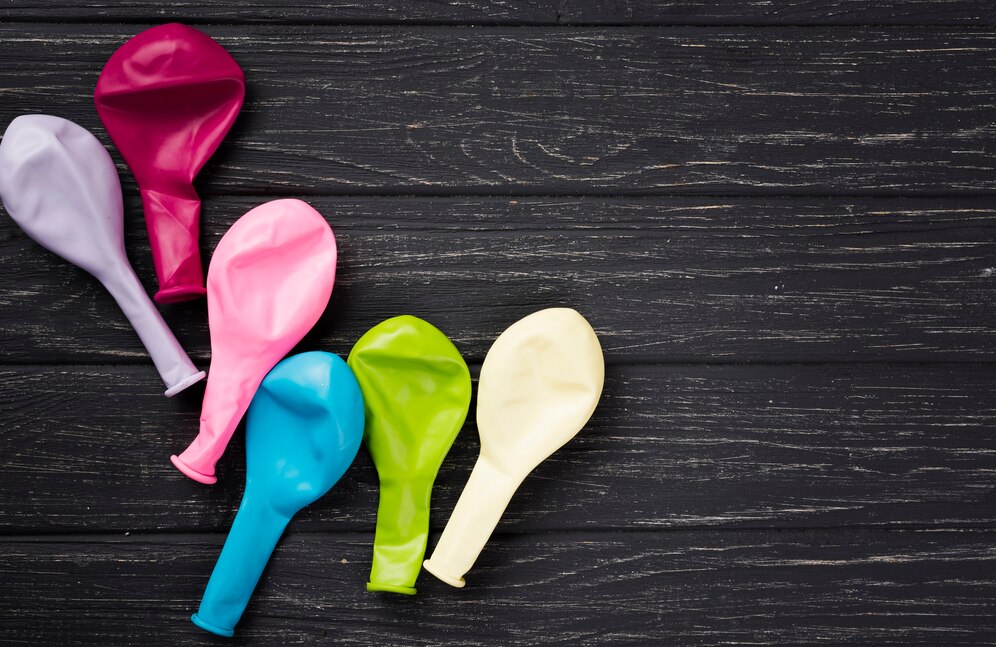
Not all balloons are created equal, and the material of your balloons plays a significant role in how they perform under different environmental conditions, such as temperature, humidity, and air pressure.
Latex balloons, which are made from natural rubber, are highly flexible but sensitive to temperature changes. In hot weather, latex balloons may expand and increase the risk of popping, while in colder environments, they may shrink and lose their shape quickly. Additionally, latex balloons are prone to deflation over time as the rubber naturally loses air, often within a few hours of inflation.
On the other hand, foil (or Mylar) balloons are made from a metallic material and tend to hold air longer than latex. They are more durable in both hot and cold weather and maintain their shape better, making them ideal for longer events. However, foil balloons can still pop under extreme conditions, so it’s crucial to avoid overinflating them as well.
The best choice of balloon material depends largely on the environment and duration of the event. If your event is outdoors or in a hot, humid environment, foil balloons may be the better option, as they are less likely to shrink in the heat. For cooler temperatures, foil balloons will also perform better, while latex balloons may not hold up as well.
Preventing Pop-Ups and Deflation
Proper Inflation Techniques
Proper inflation is one of the most important steps in ensuring that your balloons stay intact throughout the event. Inflating balloons correctly will help avoid overinflation, underinflation, and uneven pressure.
Overinflating a balloon can make it more prone to bursting, especially when there are sudden temperature fluctuations. To prevent this, aim to inflate the balloon to about 80-90% of its full capacity, leaving a little room for expansion. This will reduce the risk of overinflation while still allowing the balloon to look full and vibrant.
Underinflation, on the other hand, can cause balloons to sag or deflate long before the event is over. It’s essential that each balloon is properly inflated, ensuring they hold their shape and appear as intended throughout the event.
Before the event starts, check each balloon by gently squeezing them to ensure the pressure is consistent. If a balloon feels too firm, release a small amount of air. If it feels too soft, inflate it a little more. Doing this simple check will help you catch any issues before the event begins and ensure that your balloons will last the entire time.
Using Balloon Weight and Anchoring
Stabilizing Balloons
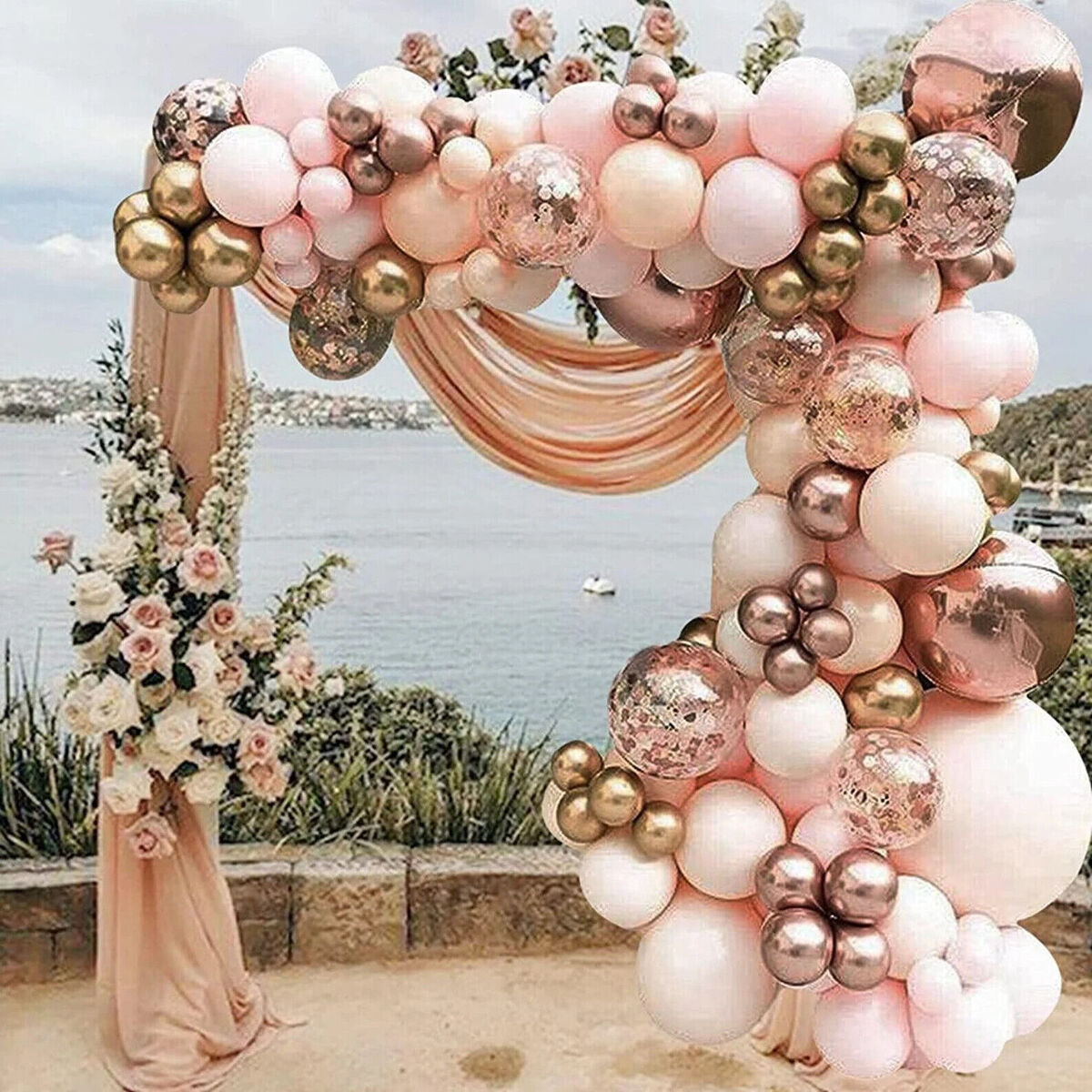
Even with proper inflation, external factors such as wind, people walking by, or sudden temperature shifts can still affect your balloon decor. To prevent balloons from floating away or popping, securing them properly is key.
Balloon weights are one of the most effective ways to keep balloons anchored and prevent them from drifting away. These weights, often metallic or fabric-based, help keep the balloons grounded and ensure they stay in place during the event. For larger balloon displays or installations, anchoring balloons to structures like poles or walls will provide additional stability. You can use strong, durable tape, balloon clips, or adhesive hooks to secure them, ensuring that the balloons don’t shift during the event.
Pro Tips for Transporting, Storing, and Setting Up Balloons Under Different Conditions
Transporting, storing, and setting up balloons can be tricky, especially when considering the challenges posed by varying environmental conditions. To ensure that your balloon decor remains flawless from the moment you leave the store to when it’s displayed at the event, it’s essential to follow best practices.
Best Practices for Balloon Transport
How to Transport Balloons Without Damage
Transporting balloons without causing damage is a key step in ensuring they stay intact for the event. Balloons, especially latex ones, are vulnerable to popping or deflating during transport if not handled with care. To prevent this, always plan ahead and use the right methods for packaging and moving balloons.
One of the best practices for transporting balloons is to inflate them as close to the event as possible, but if this isn’t possible, ensure they are packed securely. For latex balloons, avoid overinflation, as they can expand during transport due to changes in air pressure. Instead, leave about 10% of space for expansion, which will help prevent bursting. For foil balloons, be sure to use an air-tight packaging solution to prevent them from losing air during transit.
Using vehicles with climate control is highly recommended for transporting balloons. Extreme temperature fluctuations can cause balloons to deflate or pop, so keeping them in a controlled environment, like an air-conditioned vehicle, can help maintain their shape and pressure. If you’re unable to transport the balloons in such conditions, using insulated boxes or plastic bags can offer some protection.
Another useful tip is to secure the balloons in a way that minimizes movement during transport. This can be done by using large, soft bags, or boxes that are cushioned with padding to absorb any impacts during transit. By taking care to pack your balloons properly, you’ll minimize the risk of any balloon decor mistakes that could occur due to mishandling during transport.
Storing Balloons for Long-Term Use
Safe Storage Tips
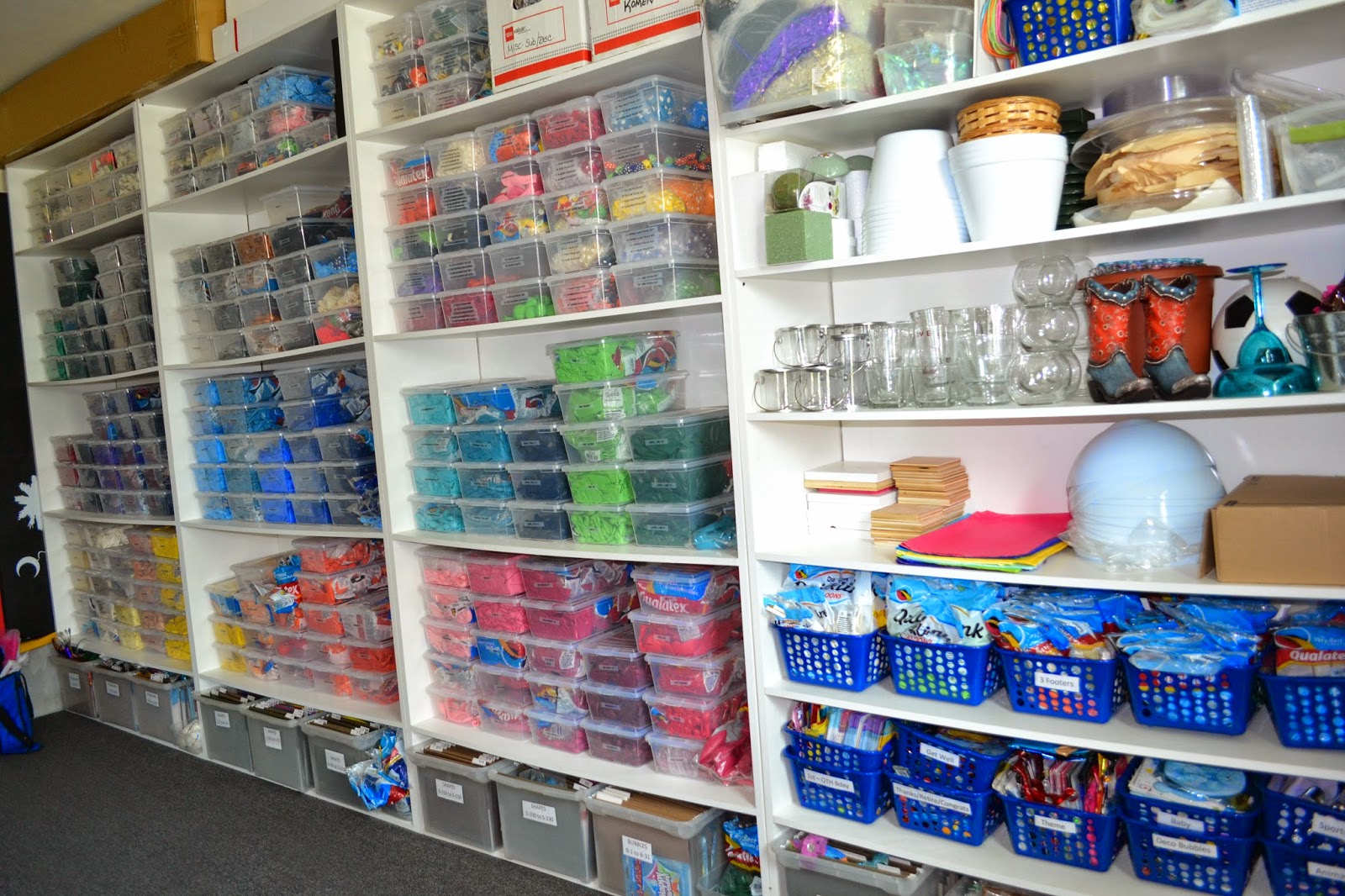
When it comes to storing balloons, whether it’s for long-term use or overnight before an event, the right storage conditions are crucial to maintain their freshness and ensure they remain in perfect condition. Improper storage can lead to deflation, discoloration, or even damage, leaving you with imperfect balloon decor on the big day.
To maintain the best quality, balloons should be stored in a cool, dry, and dark place. Latex balloons, in particular, are sensitive to light and heat, which can cause them to lose elasticity and fade in color. Avoid storing balloons in direct sunlight or in areas where there is extreme heat, such as near windows or air vents. High temperatures can cause latex balloons to expand and increase the risk of popping, while foil balloons can shrink when exposed to cold conditions.
Balloons should also be stored away from sharp objects or surfaces that could puncture them. If you need to store balloons for an extended period, consider keeping them in a sealed plastic bag or airtight container to prevent air from escaping and to keep them free from dust. Foil balloons, which are more durable than latex, are particularly suited for long-term storage since they can retain their shape and air longer.
Lastly, for latex balloons that have been inflated, you can extend their lifespan by using a product known as “Hi-Float,” which helps seal in the air and extends the float time of balloons. It’s a useful tip when you’re storing balloons overnight or need them to last for several days.
Setting Up Balloons in Challenging Conditions
Adjusting for Weather and Venue Conditions
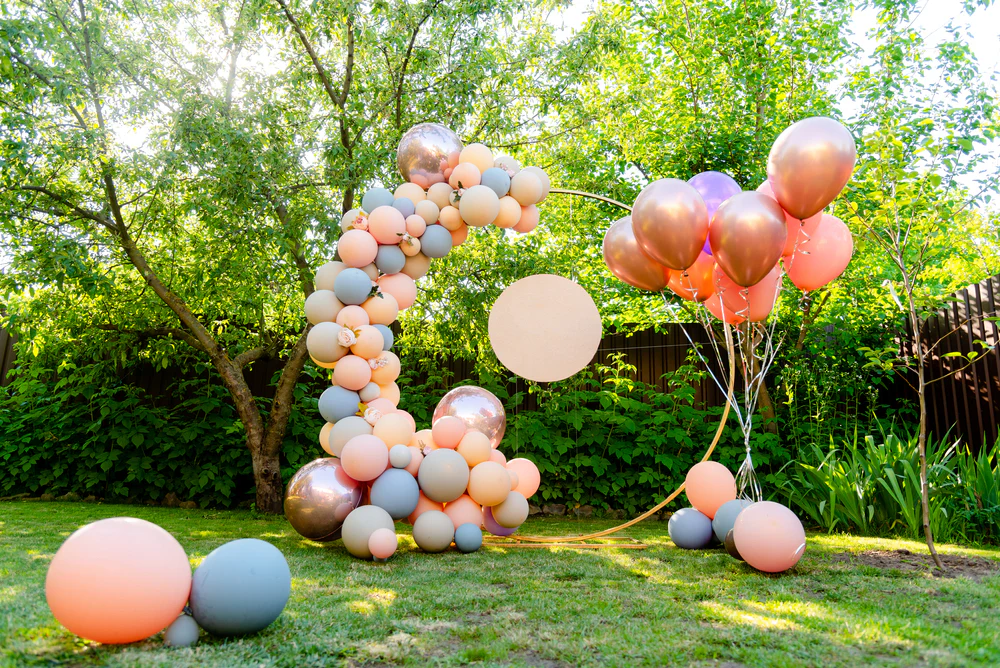
Setting up balloons can be a challenge, especially when you’re working with outdoor venues or in extreme weather conditions. Whether it’s a hot, humid day or a windy outdoor event, weather conditions can easily affect the appearance and durability of your balloon decor.
For hot climates, latex balloons can expand and pop if overinflated, so it’s essential to leave some space for expansion. Consider using foil balloons instead, as they are less likely to be affected by temperature changes. If you’re working in a hot, sunny area, ensure that your balloon setup is placed in the shade to prevent the balloons from overheating and deflating prematurely.
In cold weather, latex balloons can shrink, so it’s important to inflate them just slightly more than you would for a warm environment to counteract the shrinkage. However, foil balloons perform well in cold conditions and are a safer choice for winter or cooler climates.
For both indoor and outdoor events, humidity can also affect the appearance of your balloon decor. High humidity levels may cause balloons to sweat and lose their shine, which can affect their visual appeal. To avoid this, ensure your balloon setup is well-ventilated, and try to keep it in an area with moderate humidity. For outdoor events, consider using a weatherproof material like foil balloons, which hold up better in humid conditions.
When setting up balloons outdoors, wind can pose a particular challenge. If you’re working with large balloon arches or installations, ensure they are properly anchored and weighted down. Balloons can easily float away or be knocked out of place by strong gusts of wind, so use weighted balloon bases and secure the balloons with strong adhesives to prevent them from shifting.