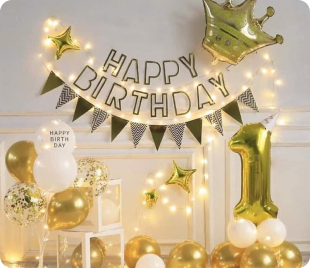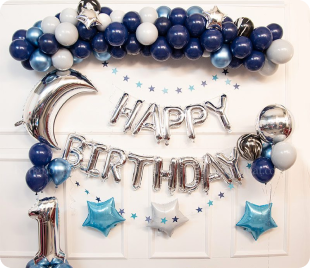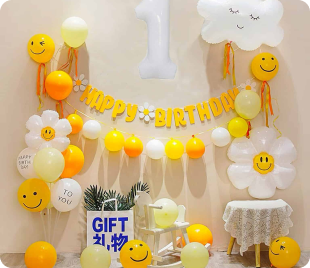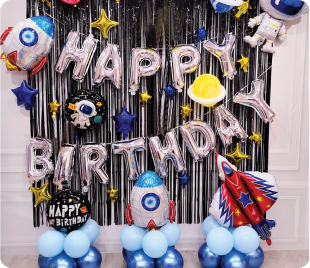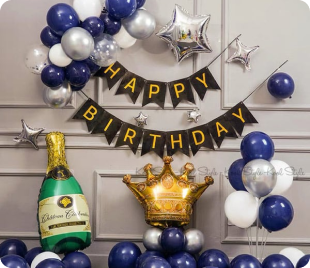


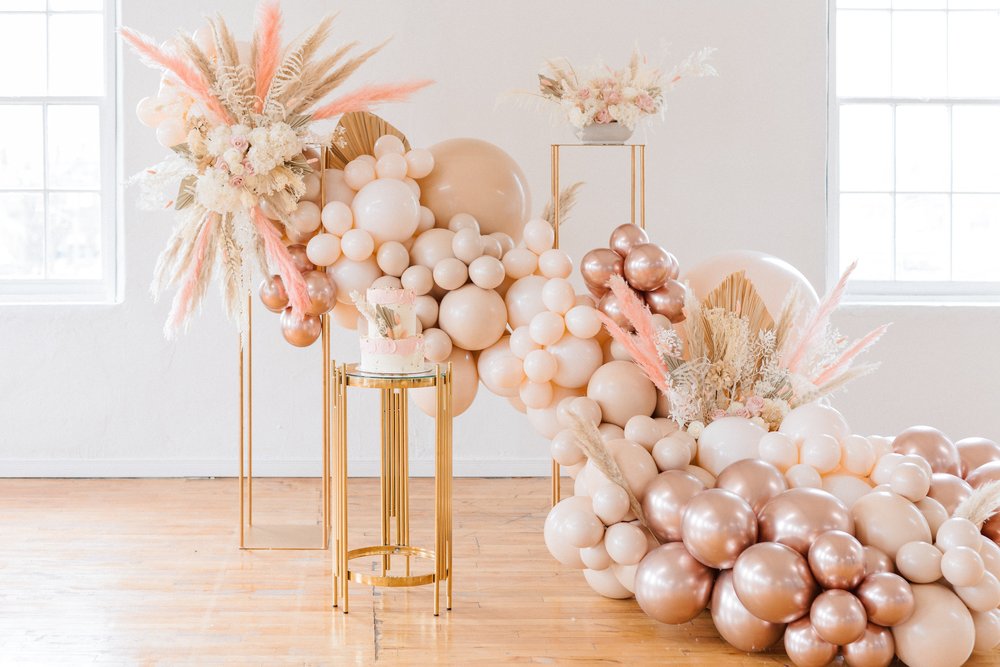
How to create a balloon garlands? Due to have exploded in popularity, transforming ordinary events into visually stunning celebrations. From whimsical birthday parties to elegant wedding receptions, these vibrant decorations add a touch of magic and personalized flair. But hiring a professional can be costly, and often, you’re left with limited customization options. That’s where this comprehensive guide comes in.
This article will walk you through every step of the process, from selecting the right materials and mastering professional tying techniques to streamlining your color scheme and ensuring a flawless installation. We’ll also delve into troubleshooting common problems, ensuring your balloon garland stays picture-perfect throughout your event.
Materials Needed for a Balloon Garland
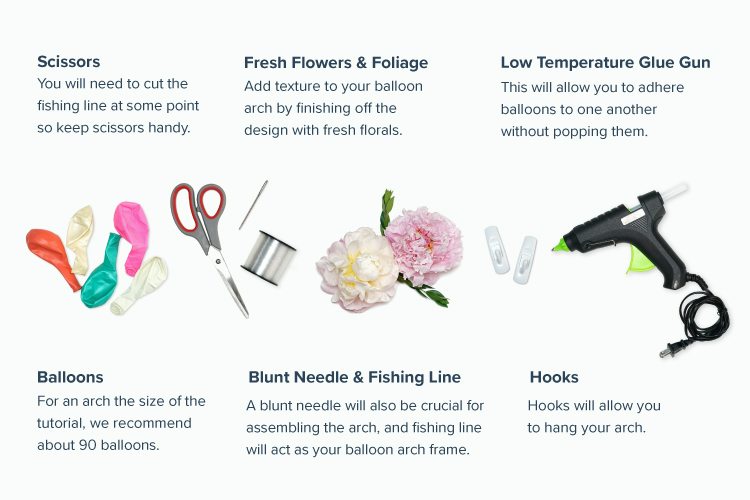
Balloons (Various Sizes and Colors):
This is the heart of your garland. Opt for high-quality latex balloons from reputable brands. These balloons are thicker and less prone to popping, ensuring your garland maintains its fullness. Consider a variety of sizes (from 5-inch to 18-inch) to create depth and visual interest. Choose colors that complement your event theme, and don’t be afraid to experiment with different finishes, such as matte, metallic, or pearl.
Balloon Tape or Decorating Strip:
The balloon tape or decorating strip is indispensable for creating a cohesive balloon garland. Its design, featuring pre-punched holes, allows for the effortless attachment of inflated balloons. This tool significantly streamlines the process, ensuring a uniform and structured garland that maintains its desired shape throughout your event.
Balloon Pump (Electric or Manual):
For constructing substantial balloon garlands, an electric pump is a vital asset, drastically reducing the time and physical effort required. Conversely, a manual pump provides more precise control over balloon inflation, making it suitable for smaller projects or when delicate adjustments are necessary. Both options offer valuable assistance, depending on the scale and complexity of your garland.
Fishing Line or Balloon String:
When opting out of a decorating strip, fishing line or balloon string becomes the foundation of your garland. Fishing line, in particular, is favored for its exceptional strength and near-invisibility, allowing the balloons to take center stage. This material is ideal for creating suspended garlands, providing a sturdy and discreet support structure.
Glue Dots or Adhesive:
Glue dots or adhesive are essential for achieving a polished and full balloon garland. They effectively fill in any gaps and securely attach smaller balloons, creating a seamless appearance. These adhesives provide a strong, invisible bond, ensuring the balloons stay in place without sustaining any damage, maintaining the garland’s integrity.
Command Hooks or Stands for Installation:
The installation of your balloon garland hinges on the appropriate support system. Command hooks are perfect for temporary installations on smooth surfaces, offering a convenient and damage-free solution. For larger or outdoor garlands that demand greater stability, sturdy stands are recommended. The choice between hooks and stands depends on your venue and the garland’s weight.
Tips on Selecting High-Quality
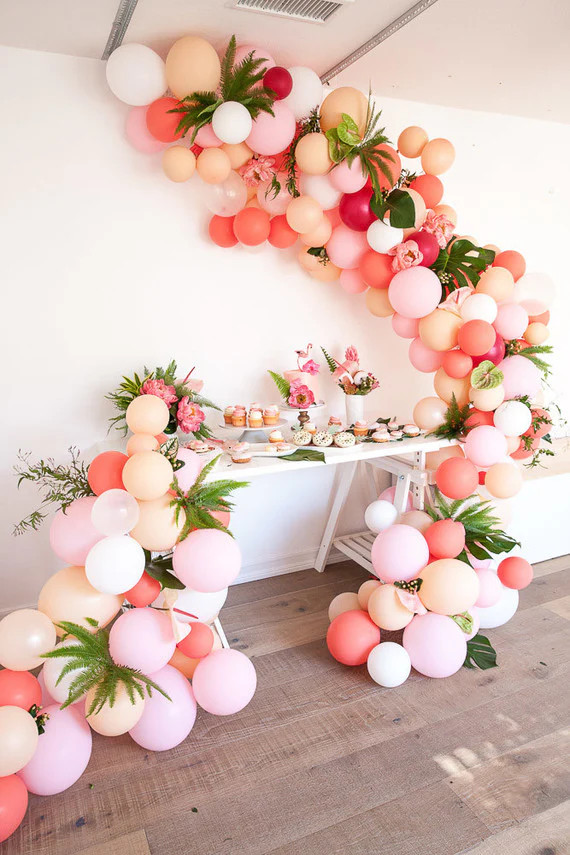
When selecting balloons for your garland, prioritize quality to ensure a lasting and impressive display. Opt for balloons crafted from 100% latex, as these offer superior durability and elasticity.
Choosing balloons from reputable brands known for their consistent quality will further enhance your results. Pay close attention to the balloon’s thickness; thicker balloons are less prone to popping, providing a more robust garland.
Finally, factor in the prevailing weather conditions, especially for outdoor installations. Garlands exposed to temperature fluctuations or harsh sunlight will benefit from thicker balloons, minimizing the risk of deflation or damage.
Professional Balloon Rope Making Instructions
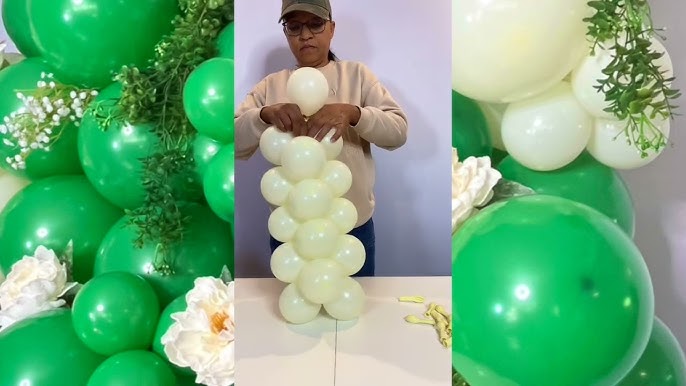
Step 1: Inflate Balloons to Different Sizes for a Natural Look:
To achieve a visually appealing and organic balloon garland, it is paramount to inflate balloons to varying sizes. This practice prevents a uniform, flat appearance and instead introduces a dynamic depth. A balanced mix of large, medium, and small balloons creates texture and visual interest, mimicking the natural irregularity found in organic forms.
Step 2: Tie Balloons Using a Strong Knot Technique:
Maintaining the integrity of your balloon garland hinges on secure knotting. To prevent premature deflation or popping, employ a double knot technique. This method ensures a robust seal, effectively trapping the air within each balloon and preserving the garland’s fullness throughout your event.
Step 3: Attach Balloons to a Balloon Strip or Fishing Line:
The method of attaching balloons depends on your chosen base. When utilizing a balloon strip, simply insert the tied balloon necks into the pre-punched holes. Conversely, if opting for fishing line, securely tie each balloon neck to the line, maintaining a small, consistent gap between each to allow for adjustments.
Step 4: Adjust Spacing to Create a Fuller Appearance:
After attaching the balloons, it is crucial to refine their spacing. By adjusting the balloons, you can create a full and balanced garland. Push balloons closer together to eliminate any visible gaps, crafting a seamless and polished look that enhances the overall aesthetic.
Step 5: Secure the Garland in Place with Hooks or Stands:
For a stable and secure display, utilize command hooks or stands to hang your garland. Ensure that the chosen hooks are firmly attached to the surface and capable of supporting the garland’s weight. For larger, more substantial garlands, consider employing multiple hooks or stands to distribute the weight evenly and prevent sagging.
Pro Tips on Making the Garland
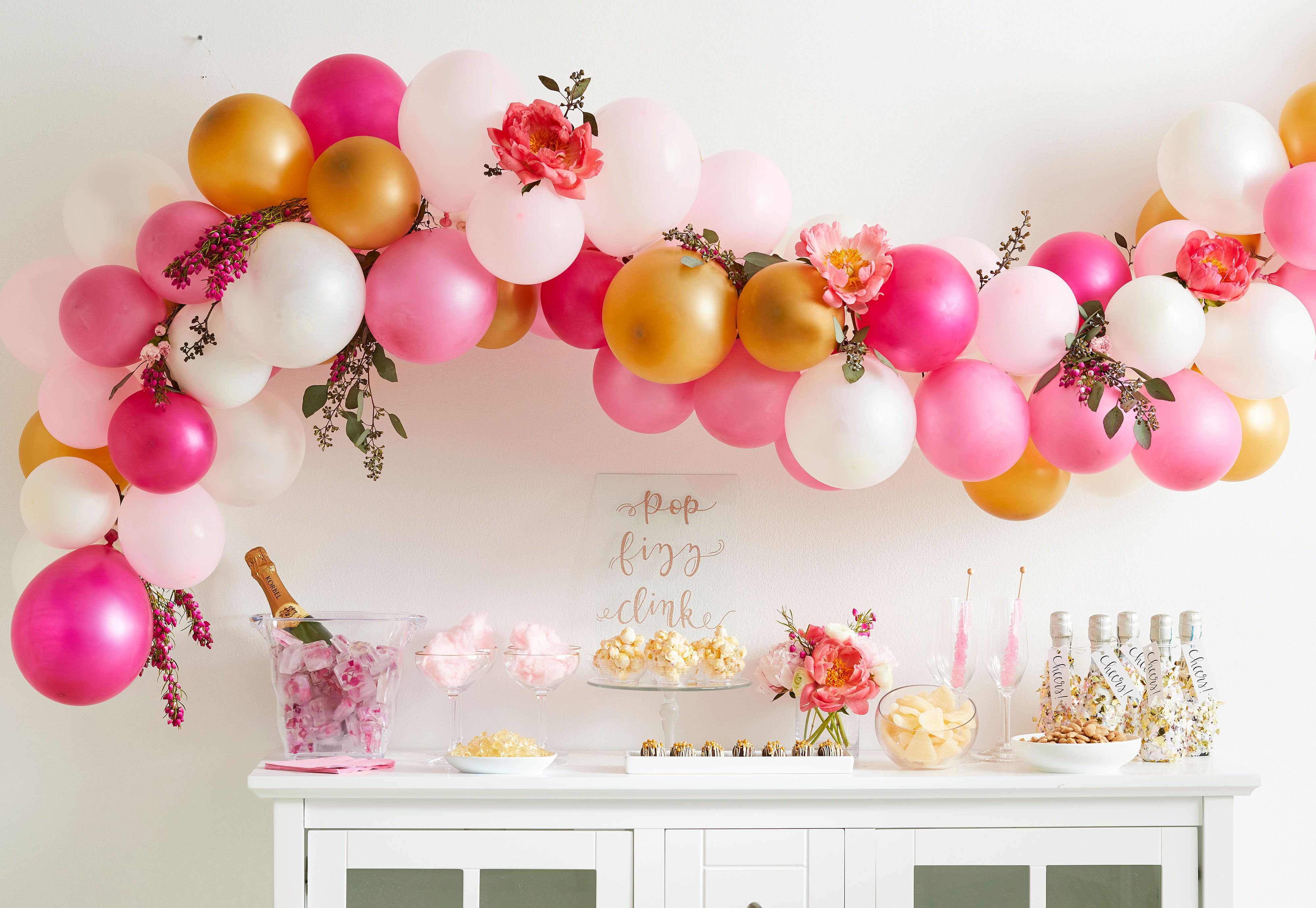
To enhance stability, alternate the direction of balloon necks when attaching them to the strip or line. This creates a more interwoven structure, preventing weak points. Utilize glue dots to affix smaller balloons to larger ones, effectively filling gaps and ensuring a uniform appearance. For outdoor settings or to combat swaying, incorporate weighted balloons at the garland’s base. For robust support in outdoor environments, consider constructing a frame using PVC pipe, providing a solid foundation against wind and movement.
Technique of Tying Balloons Strongly to Prevent Collapse
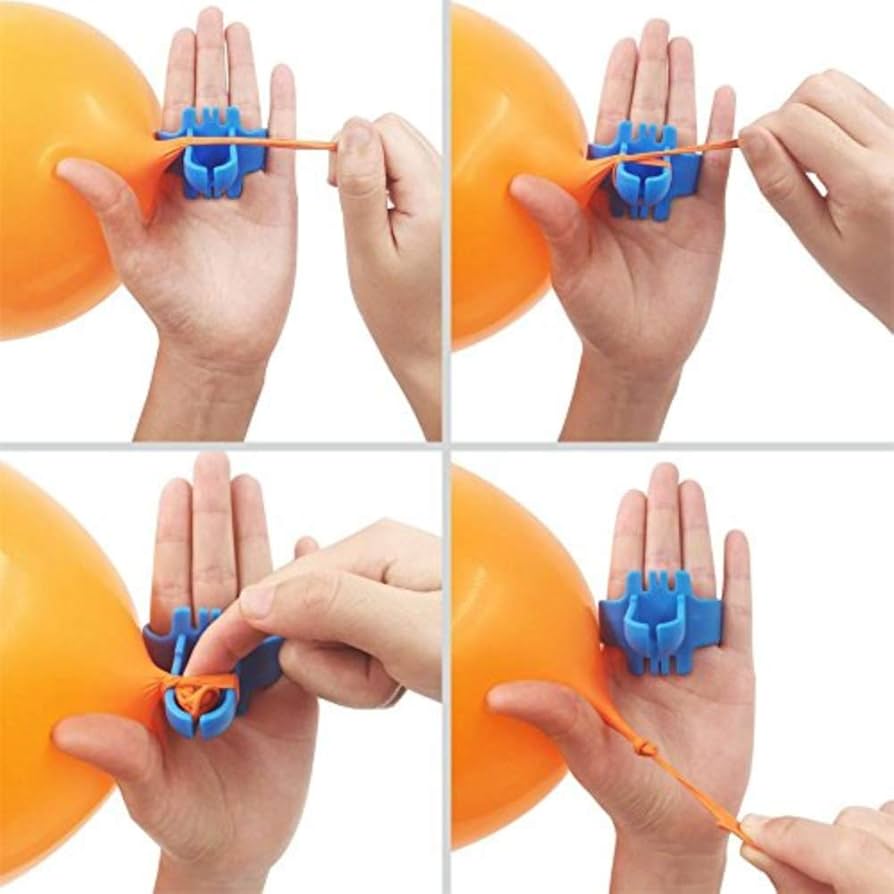
Traditional Knot vs. Double Knot
The choice between a traditional and double knot significantly impacts balloon longevity. While a simple traditional knot may suffice for smaller, less inflated balloons, a double knot provides crucial reinforcement. Particularly for larger, more inflated balloons, the double knot forms a superior seal, effectively minimizing air leakage and maintaining the balloon’s fullness over time.
Twisting Technique
Enhancing the security of your balloon knots involves more than just tying. After completing the knot, the twisting technique proves invaluable. By twisting the balloon neck several times before tucking it under the knot, you create a tighter, more robust seal. This additional step actively prevents the knot from loosening, ensuring that the air remains securely trapped within the balloon.
Using Rubber Bands
In environments with high humidity or heat, added security for your balloon knots becomes essential. Consider using small rubber bands to bolster the knot’s integrity. By placing a rubber band around the balloon neck after tying the knot, you provide an extra layer of protection. This simple measure significantly reduces the risk of air escape, maintaining the balloon’s inflated state for a longer period.
How to Prevent Balloons from Deflating or Popping
To ensure your balloon garland maintains its fullness, avoid overinflating the balloons, as this weakens the latex and increases the risk of popping. Store them in a cool, dry place away from direct sunlight, which can cause the latex to degrade. Handle the inflated balloons gently to prevent punctures, and always keep sharp objects away from the garland to avoid accidental damage.
Common Mistakes
One frequent issue is loose knots, leading to deflation. To rectify this, retie the knot using a double knot and twist the balloon neck for a secure seal. Overinflation is another common error; release some air until the balloon feels firm but not overly tight. Finally, exposure to heat can cause balloons to pop or deflate; move the garland to a cooler location or provide shade to protect it from excessive warmth.
Streamline Color Scheme & Arrangement for Event Backdrops
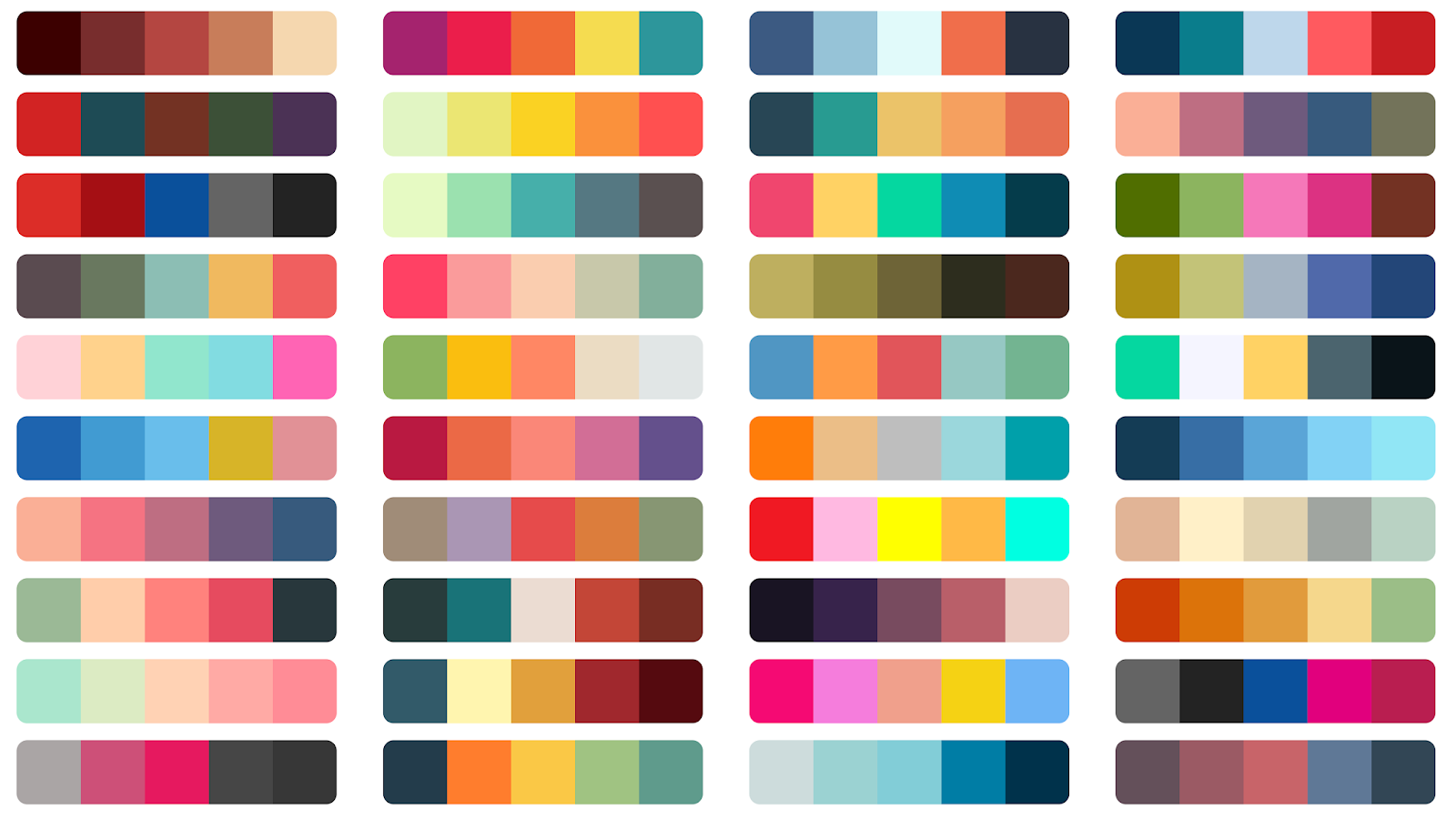
How to Choose the Right Color Palette
Balloon Placement Techniques
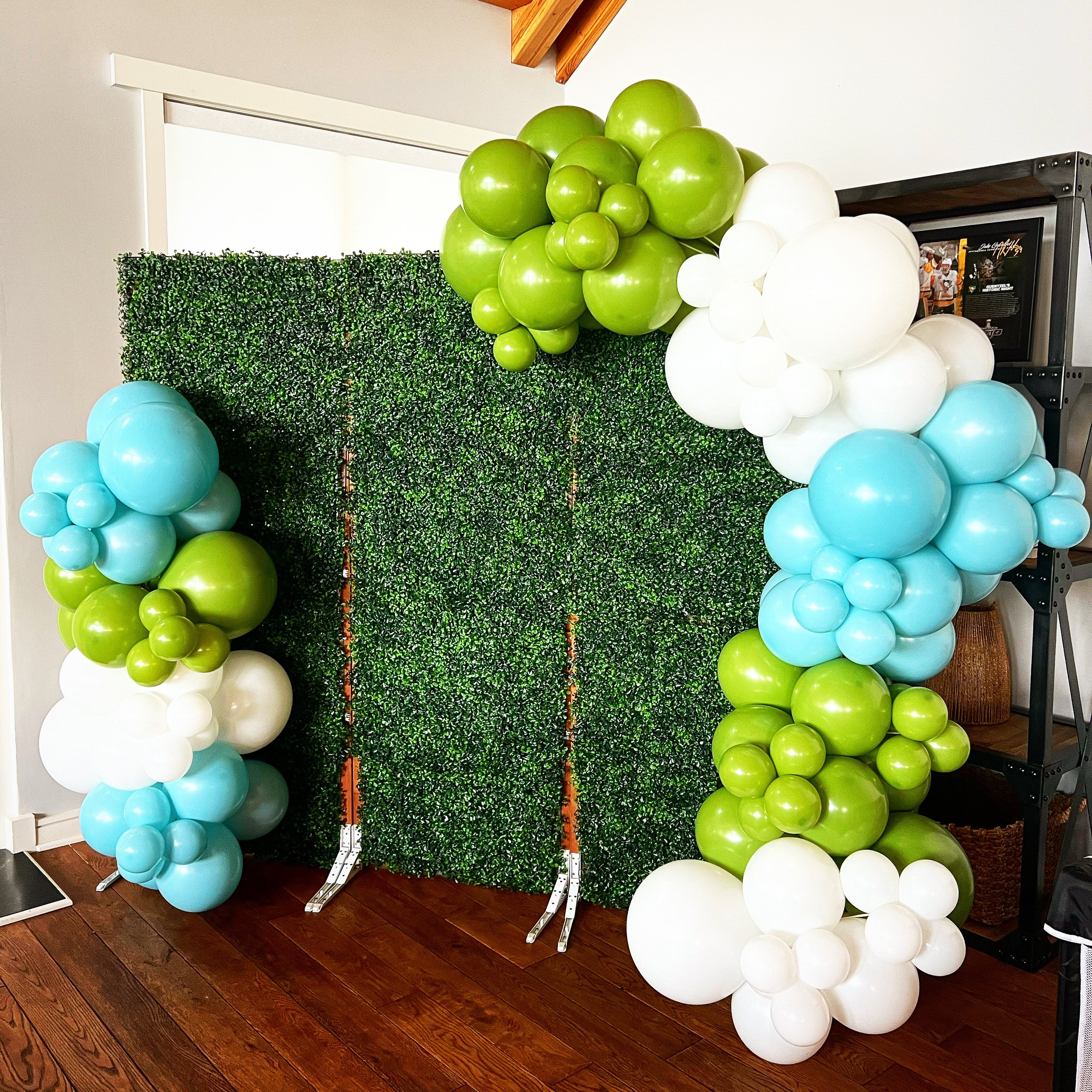
To achieve a visually appealing balloon garland, several placement techniques can be employed. The ombre effect creates a stunning gradient, transitioning seamlessly from light to dark shades. Alternating patterns introduce a rhythmic flow, varying colors and sizes for dynamic interest. For added dimension, cluster balloons of different sizes and colors together, forming eye-catching focal points that provide depth and texture to the garland.
Tips for Complementing Other

To ensure your balloon garland integrates seamlessly with its surroundings, consider the background wall or backdrop’s color and texture. Coordinating balloon colors with other decorations, such as tablecloths, flowers, and banners, is also essential for a cohesive look. Incorporating metallic or confetti-filled balloons can add a touch of sparkle and elevate the overall aesthetic, enhancing the garland’s visual impact and complementing the event’s ambiance.
Installation & Final Touches
Best Ways to Hang a Balloon Garland
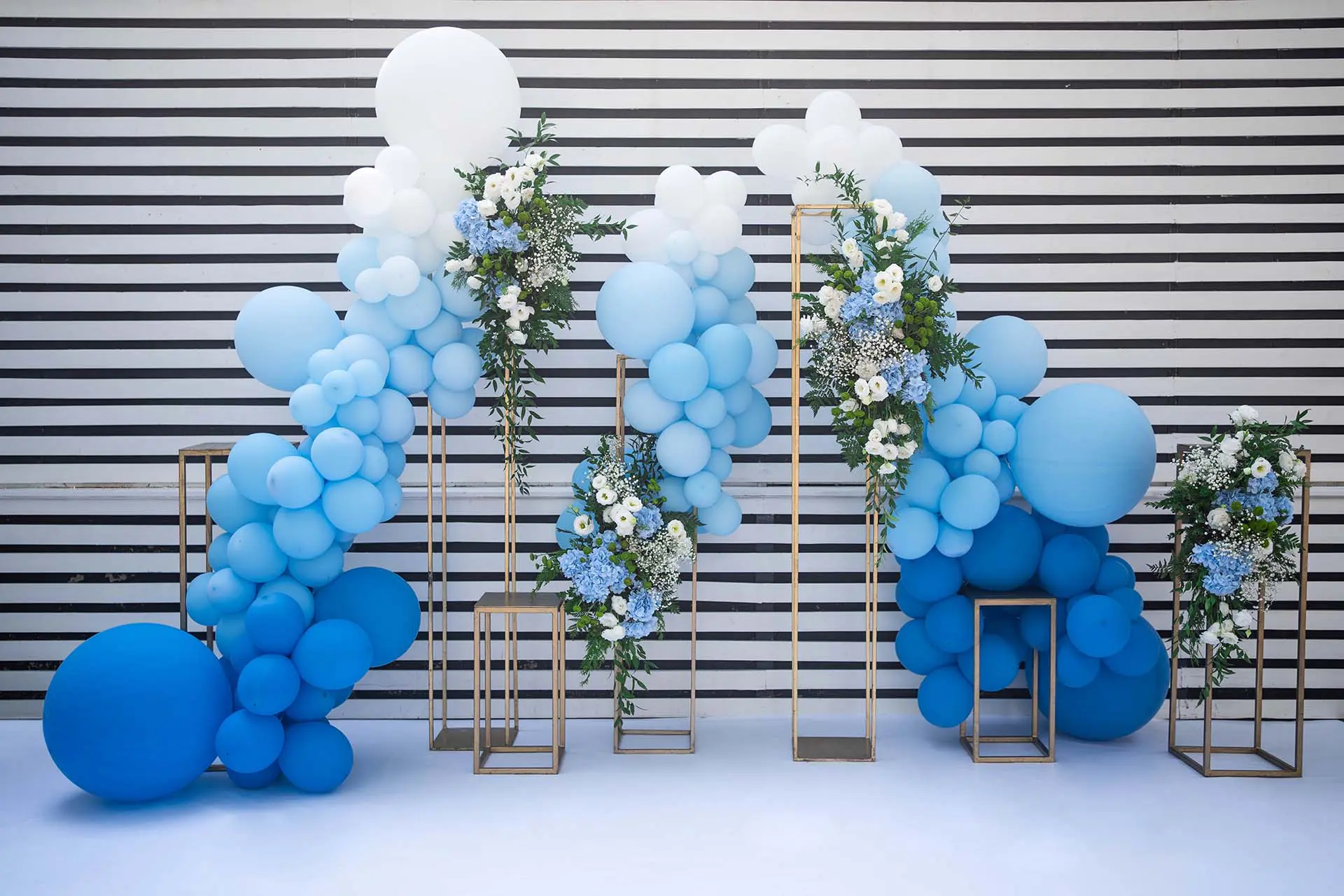
Indoors:
For indoor installations, versatility is key. Command hooks provide a temporary, damage-free solution on smooth walls, while adhesive strips offer a similar option for lighter garlands. Ceiling hooks allow for dramatic, suspended displays, creating a floating effect. Choosing the right method depends on the weight of your garland and the surface you’re working with, ensuring a secure and visually appealing arrangement.
Outdoors:
Outdoor installations demand stability and resilience. Sturdy stands offer a freestanding option, ideal for open spaces or where wall mounting isn’t possible. Outdoor-rated hooks, designed for weather resistance, ensure the garland remains secure against wind and elements. Alternatively, tying the garland to a secure structure like a fence or pergola provides a stable, integrated look. The choice depends on the available structures and weather conditions.
How to Add Extra Elements
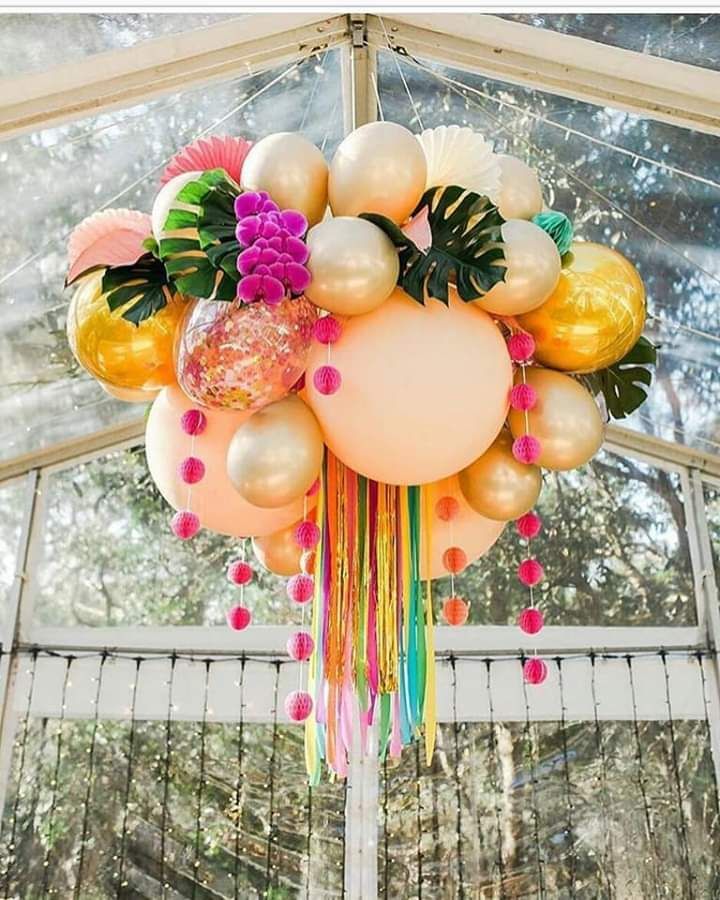
To truly elevate your balloon garland, consider incorporating additional decorative elements. Fresh or artificial flowers can add a touch of elegance and natural beauty, while greenery provides a lush, organic feel. For a magical ambiance, weave LED lights throughout the garland, creating a soft, captivating glow. Secure these additions using floral wire or glue dots, ensuring they blend seamlessly with the balloons.
Checking for Gaps and Filling
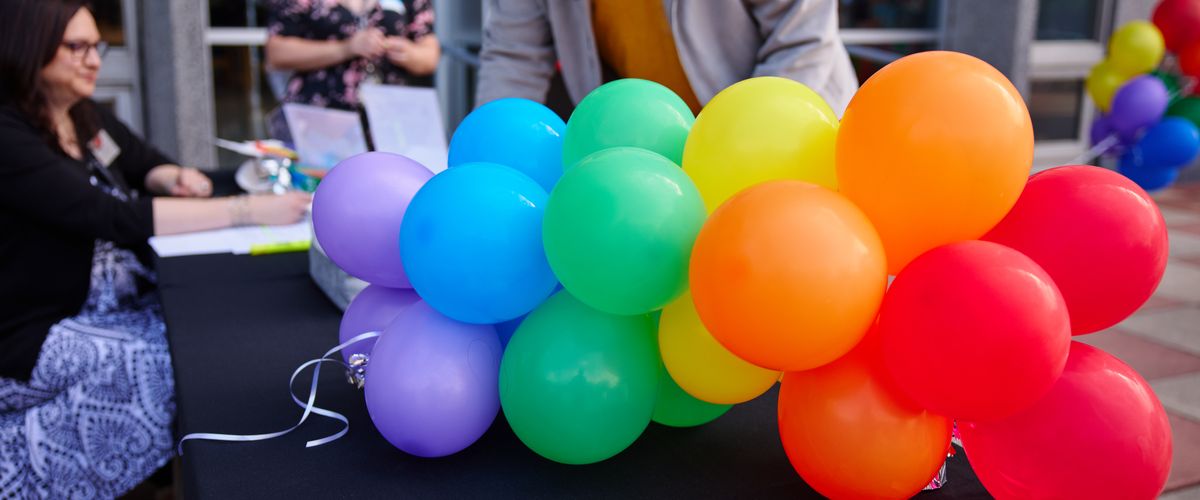
Once your garland is installed, take a step back to assess its overall appearance. Pay close attention to any gaps or uneven areas that may detract from the final look. To remedy these imperfections, use glue dots to carefully attach smaller balloons or foliage, strategically filling in the spaces. This meticulous attention to detail will result in a polished and professional-looking garland.
Common Problems & Troubleshooting Tips

Garland Sagging or Falling
A sagging or falling garland often indicates a lack of adequate support. To rectify this, increase the number of hooks or stands to evenly distribute the weight. If the fishing line or balloon strip is flimsy, replace it with a stronger material or reinforce it by doubling it up. Uneven weight distribution can also cause sagging; adjust the balloons to achieve balance. For added stability, consider attaching weights to the bottom of the garland, preventing it from drooping.
Color Inconsistencies & How to Fix Them
Color inconsistencies in a balloon garland can be disruptive to its overall aesthetic. To avoid variations due to different balloon batches, strive to purchase all balloons from the same batch. Sun fading is another common issue; keep the garland away from direct sunlight to preserve the colors. Incorrect lighting can also distort colors, so adjust the lighting to enhance the intended hues. If some balloons appear more transparent than others, double stuff them with a matching color inside to create a uniform and vibrant appearance.
Conclusion
Creating a professional-looking balloon garland is an achievable and rewarding endeavor. By following the steps outlined in this guide, you can transform any event into a visually stunning celebration. Remember that practice makes perfect, and don’t be afraid to experiment with different styles and techniques.
Gleam Haven is your go-to source for premium balloons and a comprehensive selection of party decor. We cater to every celebration, offering everything from charming baby shower balloons to festive birthday designs, eye-catching number balloons, and timeless party styles. Our commitment lies in providing you with top-tier balloons and knowledgeable assistance, empowering you to expand your product offerings and craft winning, profitable packages for your clientele. Partner with Gleam Haven to take your balloon business to new heights.