



Wholesale Balloons bring vibrant joy to celebrations, but safety is paramount. This guide provides essential precautions, including proper helium handling and storage. By understanding risks like inhalation and bursts, you can ensure a safe environment. From secure storage to careful transportation, these tips maximize balloon lifespan and prevent accidents.
Wholesale Balloons require proper handling to prevent damage and ensure longevity. This guide covers techniques like correct inflation, secure knotting, and appropriate disposal. By following these tips, you’ll avoid common issues like leaks and bursts. Understanding different balloon types and environmental concerns is crucial for responsible use and customer satisfaction.
Safety Precautions When Working with Helium Balloons
Helium (according to wikipedia) is a non-toxic, inert gas, but it can be dangerous if mishandled. Here are some safety measures to take:
Ventilation
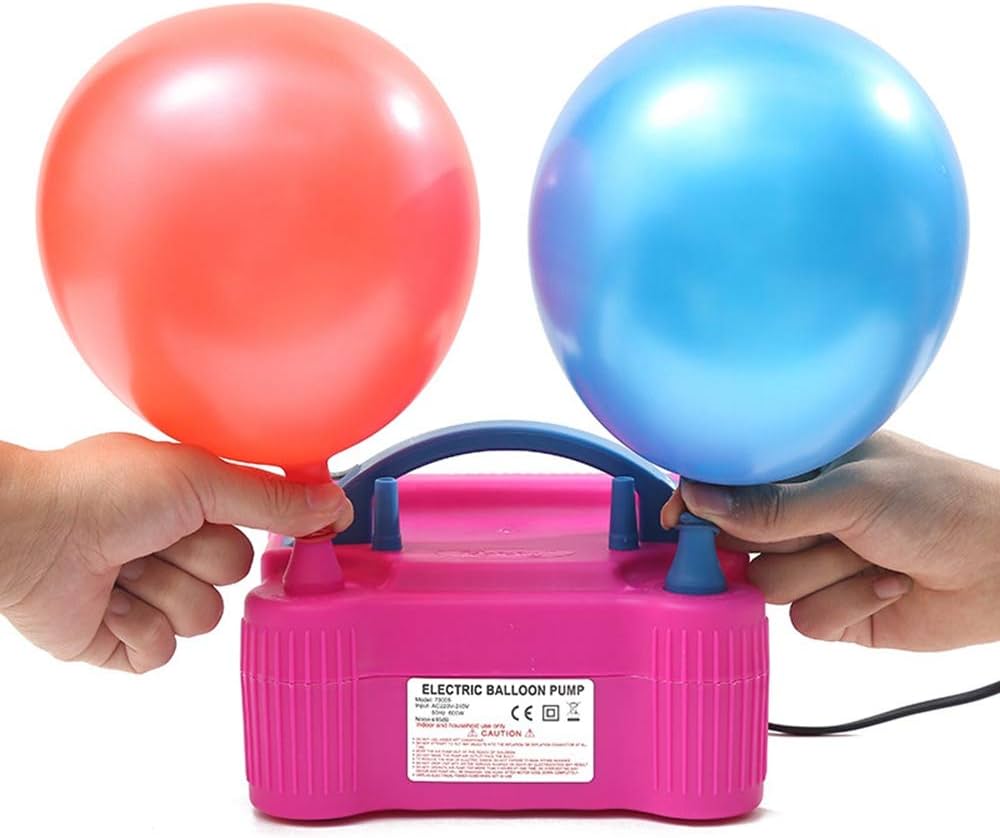
It is essential to inflate helium balloons in a well-ventilated area. Inhaling helium can lead to asphyxiation due to oxygen deprivation. This is because helium displaces oxygen in the lungs, making it impossible to breathe properly. Always ensure there is a fresh flow of air when handling helium.
If you begin to feel dizzy or short of breath while inflating helium balloons, leave the area immediately and get some fresh air. Seek medical attention if your symptoms worsen. Children should never be allowed to inflate helium balloons without adult supervision.
No Inhalation
It’s crucial to understand the risks of inhaling helium from balloons. While it might seem like harmless fun, it can lead to serious health problems. Helium displaces oxygen in your lungs, causing you to feel dizzy and lightheaded. In severe cases, it can even result in loss of consciousness. Never inhale helium from balloons.
The dangers of helium inhalation extend beyond mere dizziness. Oxygen deprivation can cause long-term damage to your brain and other organs. If you or someone you know experiences any adverse effects after inhaling helium, seek medical attention immediately. Remember, helium is meant for inflating balloons, not for inhalation.
Eye Protection

Safety should always be a priority when inflating balloons, especially when dealing with large quantities. Wearing safety glasses is a simple yet effective way to protect your eyes from potential bursts. Balloons can unexpectedly pop, sending fragments flying at high speed. Safeguarding your eyes with proper eyewear can prevent serious injuries.
The risk of balloon bursts increases with the number of balloons being inflated. Whether you’re preparing for a party or a professional event, don’t take chances with your eyesight. Safety glasses provide a barrier against sharp balloon pieces, ensuring your eyes remain safe throughout the inflation process.
Supervision

Constant supervision is crucial when children are around helium balloons. Young children may not understand the dangers of inhaling helium. Adults must be vigilant to prevent children from attempting to inhale the gas. It’s important to educate children about the risks and ensure they handle balloons safely.
Children are naturally curious, and helium balloons can be very enticing. Without proper supervision, they might experiment and put themselves at risk. Never leave children unattended with helium balloons. Take the time to explain the potential dangers and make sure they understand why inhaling helium is unsafe.
Secure Storage
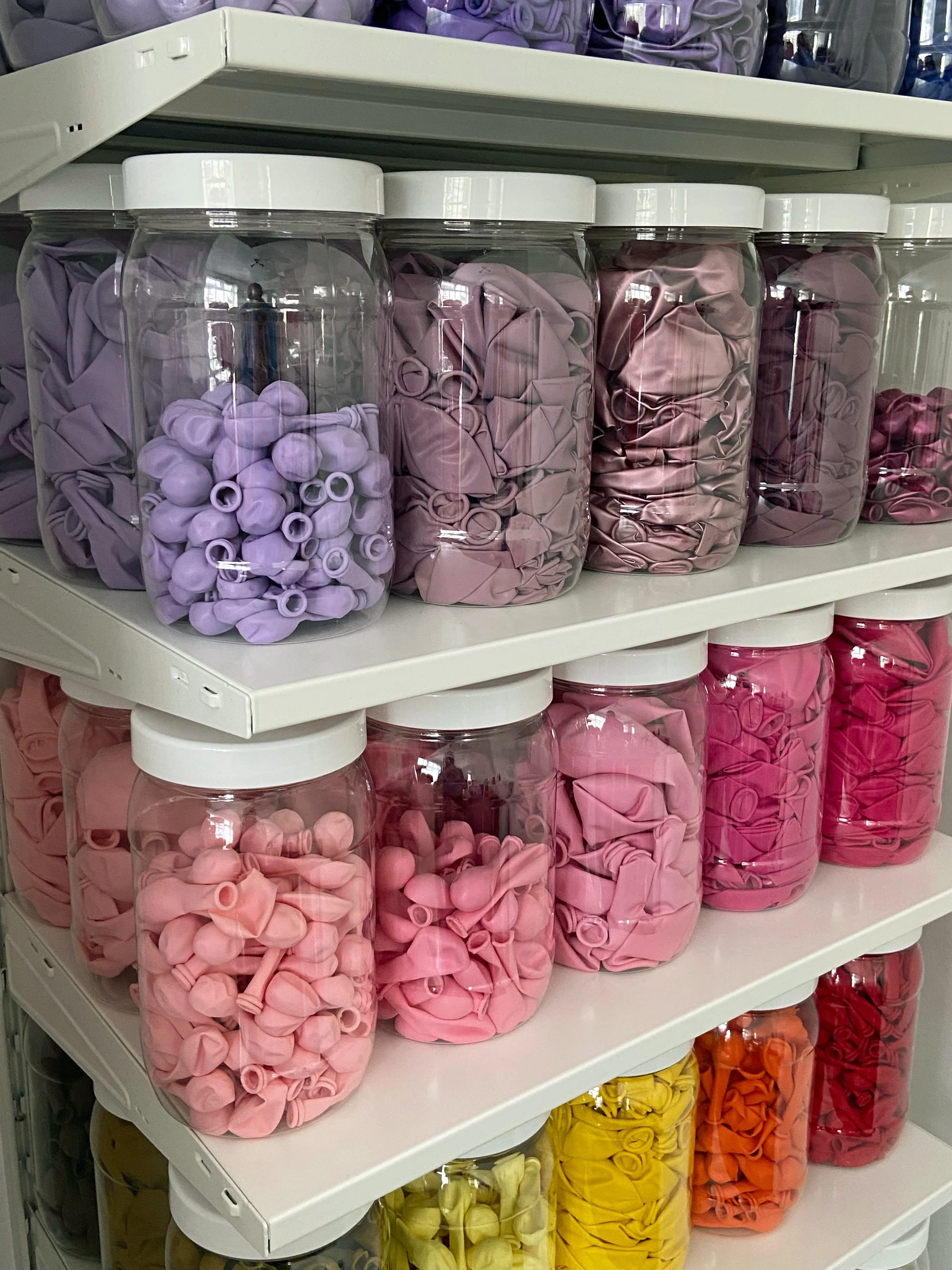
Proper storage of helium tanks is vital for safety. Keep them in a cool, dry place, away from any heat sources or direct sunlight. Extreme temperatures can cause the gas to expand, leading to potential leaks or even explosions. Ensure the tanks are secured to prevent them from tipping over, which could damage the valve or cause injury.
A well-ventilated storage area is also essential. Avoid storing helium tanks in confined spaces where gas buildup could occur. Regularly inspect the tanks for any signs of damage or leaks. If you notice any issues, contact a professional immediately. Following these storage guidelines will help prevent accidents and ensure the safe handling of helium.
Proper Handling and Storage of Balloons
Proper handling and storage are essential to prevent balloon damage and prolong their lifespan:
Avoid Sharp Objects

To maintain the integrity of your balloons, it’s essential to keep them away from sharp objects. Even seemingly harmless items can puncture a balloon, causing it to deflate or burst. Be mindful of scissors, pins, staples, and even rough surfaces. By keeping your balloons in a safe environment, you can prolong their lifespan and prevent unnecessary accidents.
When handling balloons, take extra care to avoid any potential hazards. Sharp edges on furniture, walls, or decorations can easily damage a balloon. When transporting balloons, ensure they are not rubbing against anything that could cause a puncture. By taking these precautions, you can enjoy your balloons for a longer period.
Temperature Control
Maintaining a consistent temperature is crucial for balloon longevity. Store balloons in a cool, dry place, away from extreme heat or cold. Fluctuations in temperature can cause the material to expand or contract, leading to leaks, bursts, or general damage. By keeping balloons in a stable environment, you’ll ensure they look their best for longer.
Avoid storing balloons in direct sunlight, near heaters, or in uninsulated areas where temperatures can vary significantly. Ideally, a room with a moderate, consistent temperature is best. This will prevent the balloon material from becoming brittle or sticky, extending their lifespan. Proper temperature control is key to keeping your balloons in optimal condition.
Sunlight Exposure
Direct sunlight is a major enemy of balloons. Prolonged exposure can cause the vibrant colors to fade, leaving them dull and lifeless. Additionally, the sun’s heat can weaken the balloon material, making it brittle and prone to tearing. To keep your balloons looking their best, always store them in a shaded area away from direct sunlight.
Whether you’re decorating for a party or simply enjoying a balloon, remember that sunlight can significantly shorten its lifespan. Even a short period of exposure can lead to noticeable fading and damage. By keeping balloons out of direct sunlight, you’ll ensure they retain their color and durability for as long as possible.
Proper Disposal
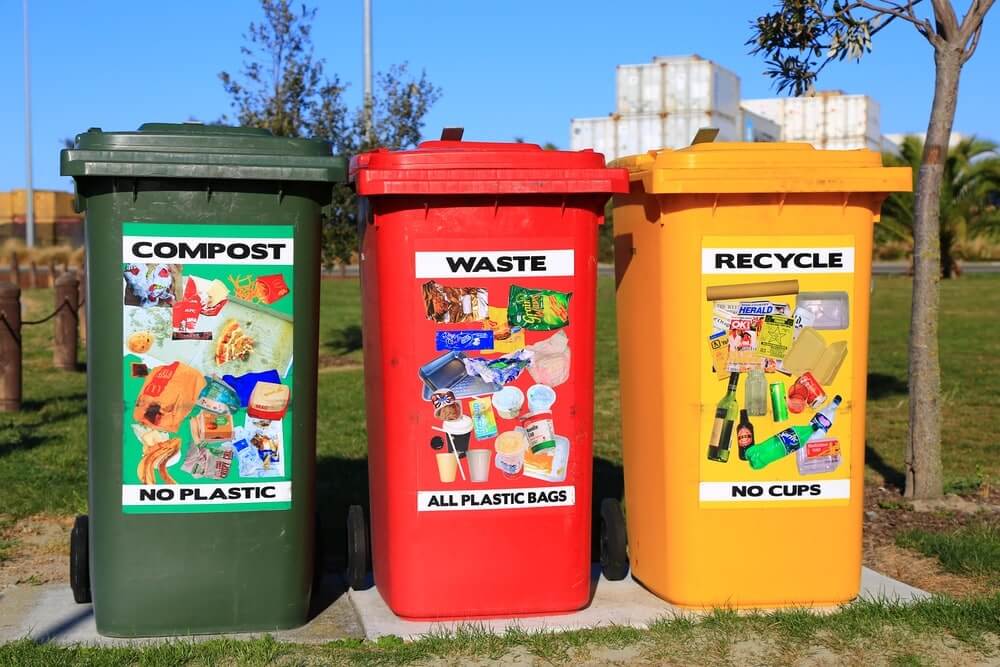
Responsible disposal of used balloons is essential for environmental care. Deflated latex balloons, being biodegradable, can be safely placed in the regular trash. However, foil balloons, which are not biodegradable, require a different approach. They should be fully deflated to minimize space and then recycled according to your local recycling guidelines.
Avoid releasing any type of balloon into the environment. Balloons that float away can travel long distances and pose a threat to wildlife. Animals may mistake balloon fragments for food, leading to ingestion and potential harm. By disposing of balloons properly, you contribute to a cleaner and safer environment.
Transportation

Transporting a large number of balloons requires careful planning. Secure them properly within your vehicle to prevent them from shifting during transit. Use large bags or containers to contain the balloons, and ensure they are evenly distributed. Avoid overfilling, as this can lead to bursts. Drive cautiously, taking turns slowly and avoiding sudden stops to minimize movement.
For larger quantities, consider using a van or truck with ample space. If possible, utilize specialized balloon transport bags or nets to keep them organized and prevent tangling. Secure the bags or nets to the vehicle’s interior to prevent them from sliding. Maintaining a consistent temperature inside the vehicle is also important to prevent damage from heat or cold.
Tips for Safe and Efficient Balloon Inflation
Inflating balloons safely and efficiently is crucial for any event or business:
Use the Right Equipment
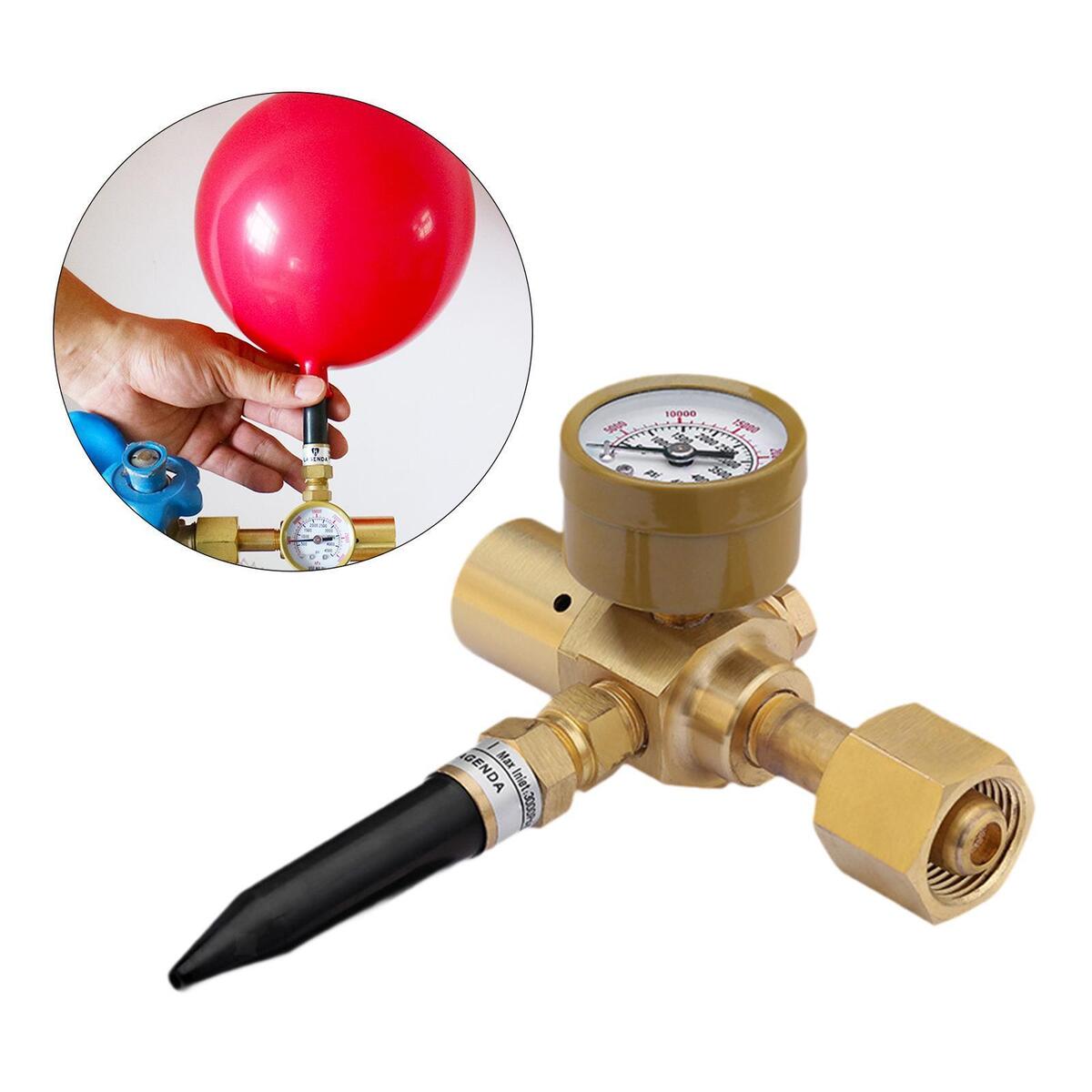
Using the correct equipment is vital for safe and efficient balloon inflation. For helium balloons, always use a proper helium regulator and nozzle. These tools control the flow of helium, preventing overinflation and potential bursts. Attempting to inflate helium balloons without the right equipment can lead to accidents and wasted gas.
When inflating air-filled balloons, an electric pump or hand pump are essential tools. An electric pump is ideal for large quantities, saving time and effort. A hand pump is perfect for smaller jobs or when electricity is unavailable. Choosing the right pump ensures you can inflate balloons quickly and easily, without risking damage to the balloons.
Inflate to the Correct Size
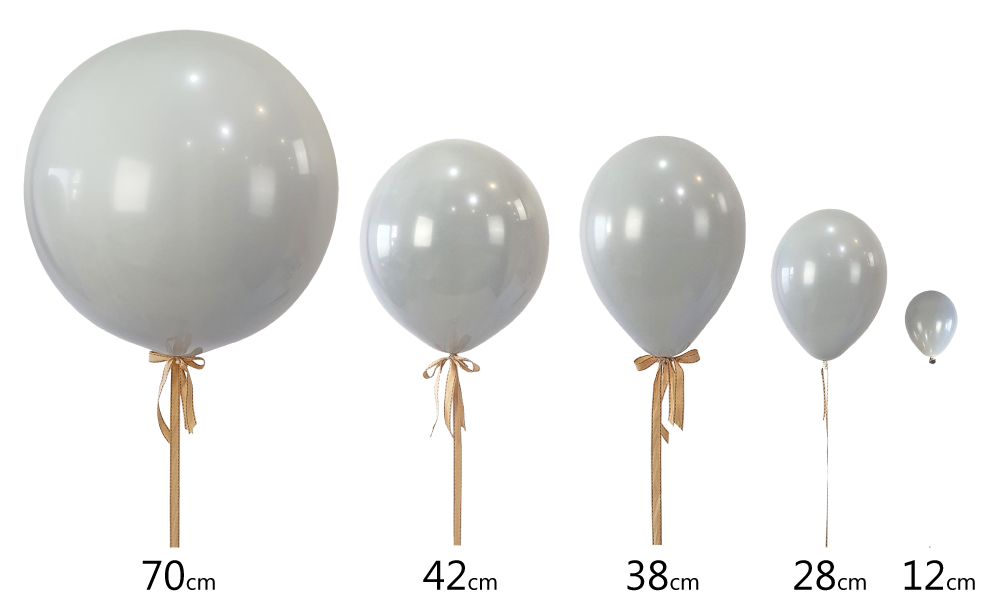
It’s tempting to overinflate balloons for a fuller look, but this can lead to bursts. Always follow the manufacturer’s guidelines for inflation size. Overinflating weakens the balloon material, making it more susceptible to popping, especially in warm environments. By adhering to the recommended size, you’ll ensure your balloons last longer and maintain their shape.
Different types of balloons have varying inflation capacities. Check the packaging or instructions for specific guidelines. Using a measuring tape or balloon sizer can help you achieve the correct size consistently. Avoid overfilling, as this can cause uneven shapes and premature bursts. Proper inflation not only extends the balloon’s lifespan but also enhances its overall appearance.
Secure the Nozzle
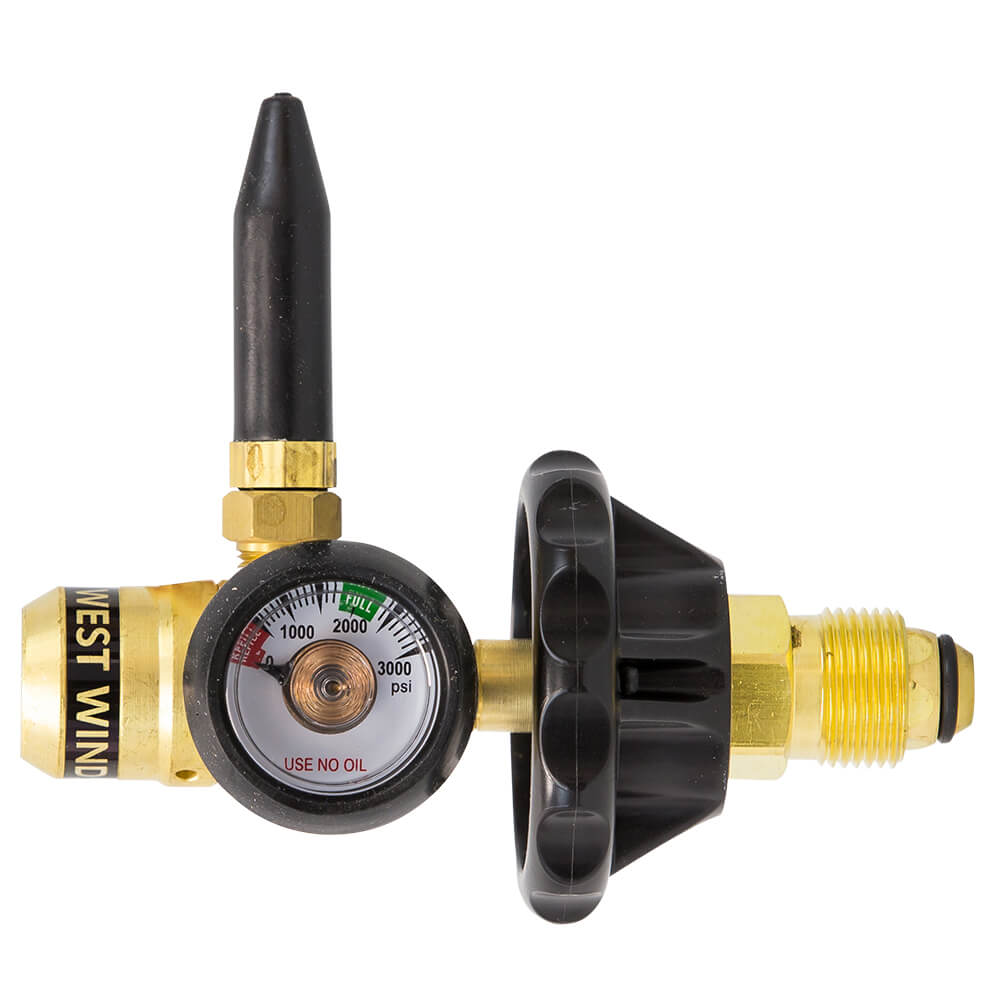
Before inflating any balloon, ensure the nozzle is securely attached to the helium tank or pump. A loose connection can lead to gas leaks, wasting helium and potentially creating a hazardous situation. Double-check that the nozzle is firmly in place and properly threaded. This simple step can prevent accidents and ensure a smooth inflation process.
A secure nozzle connection is crucial for maintaining control during inflation. If the nozzle detaches unexpectedly, the sudden release of gas can cause the balloon to burst or fly away. Regularly inspect the nozzle for any signs of wear or damage. If you notice any issues, replace the nozzle immediately. This precaution will help you inflate balloons safely and efficiently.
Tie Knots Properly
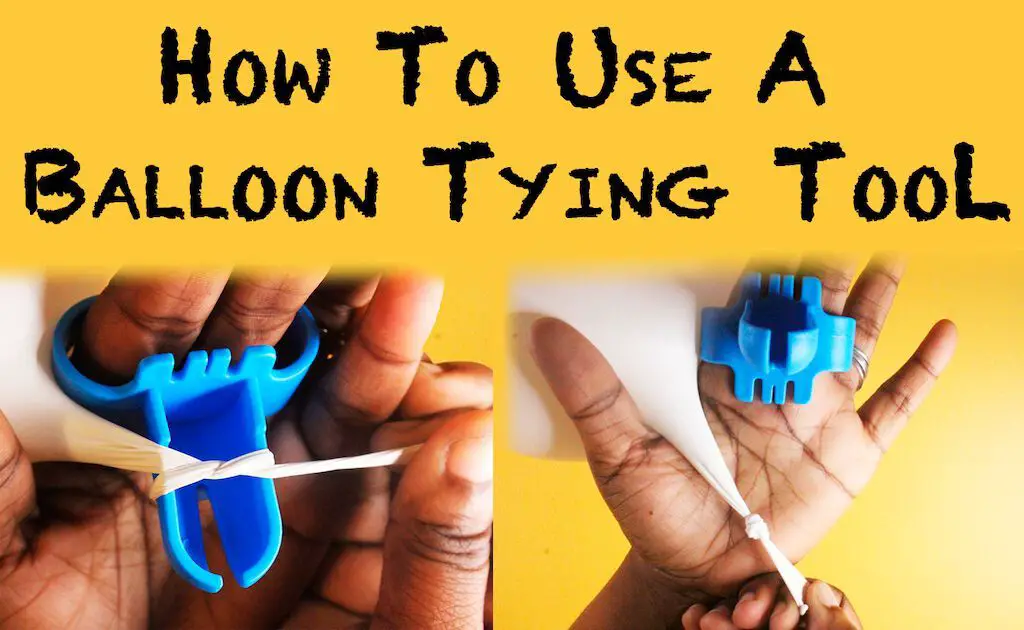
A secure knot is essential to prevent helium from escaping your balloons. After inflating, twist the neck of the balloon several times to create a tight seal. Then, wrap the neck around your fingers and pull the end through the loop to form a knot. Ensure the knot is tight and double-check it to avoid any leaks.
Different knotting techniques can be used, but the key is to create a tight seal. For larger balloons or those intended to last longer, consider using a double knot. This involves tying a second knot directly above the first one. By taking the time to tie secure knots, you’ll extend the float time of your helium balloons.
Use Balloon Accessories
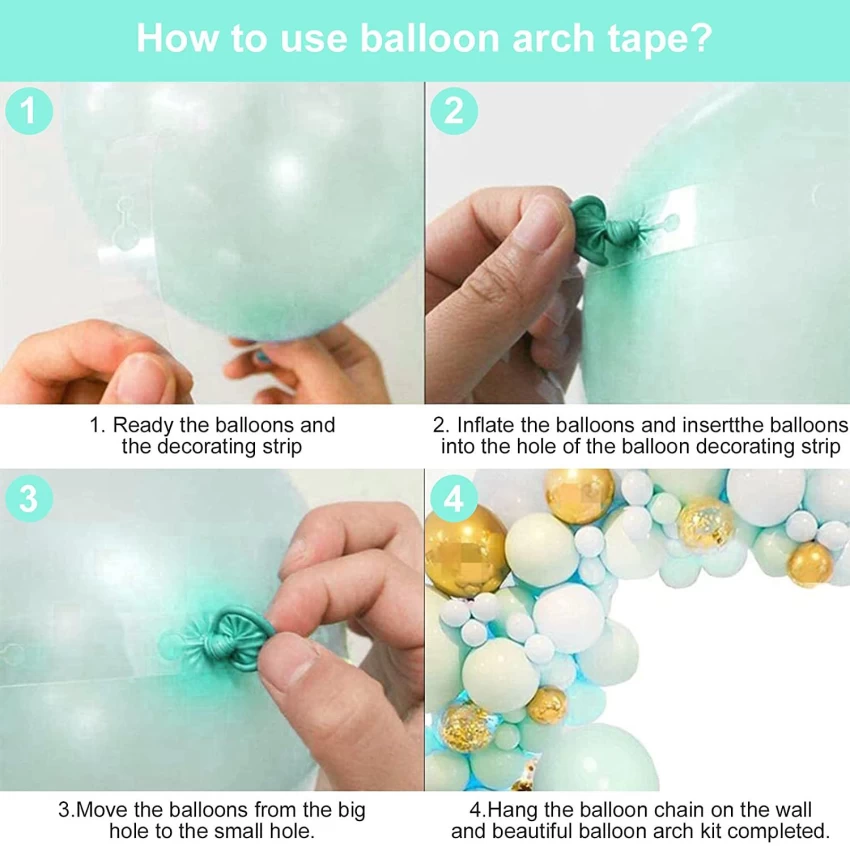
Balloon accessories are essential for creating visually appealing displays and preventing balloons from floating away. Ribbons add a decorative touch and allow you to tie balloons to various surfaces. Clips provide a secure way to seal balloons without tying knots, and weights anchor helium-filled balloons, keeping them grounded. Using these accessories enhances the overall presentation and ensures balloons stay in place.
By incorporating balloon accessories, you can transform ordinary balloons into stunning decorations. Ribbons come in various colors and materials, allowing you to match any theme. Clips make it easy to attach balloons to strings or other surfaces, and weights prevent helium balloons from escaping. These accessories are not only practical but also add a professional finish to your balloon arrangements.
Troubleshooting Common Balloon Issues
Even with proper handling, balloons can sometimes experience issues. Here’s how to troubleshoot common problems:
Deflated Balloons

If you notice a balloon deflating, the first step is to check for any visible leaks or punctures. Small holes can cause a slow leak, leading to deflation over time. Carefully inspect the balloon’s surface, paying attention to seams and areas around the knot. If no punctures are found, it’s possible the balloon is made of latex, which naturally loses helium over time.
Latex balloons are porous, meaning they allow helium to escape gradually. This is why they typically deflate faster than foil balloons. If you’re dealing with a latex balloon, it’s likely just a natural process. Foil balloons, on the other hand, should retain helium for a longer period. If a foil balloon deflates quickly, there’s likely a leak or puncture that needs to be addressed.
Burst Balloons

Burst balloons are a common occurrence, often caused by overinflation or exposure to sharp objects. Overinflating a balloon stretches the material beyond its capacity, making it prone to bursting. Sharp objects, even seemingly harmless ones, can puncture the balloon, causing it to burst immediately. Understanding these causes helps prevent bursts and ensures a safer balloon experience.
Temperature changes can also contribute to burst balloons. In hot environments, the air inside a balloon expands, increasing pressure and the risk of bursting. Conversely, cold temperatures can make the balloon material more brittle, leading to cracks and bursts. To minimize the likelihood of bursts, inflate balloons to the recommended size and keep them away from sharp objects and extreme temperatures.
Stuck Valves
Occasionally, a helium valve might become stuck, preventing the flow of gas. If this occurs, avoid using excessive force. Instead, try gently tapping the valve with a rubber mallet. This can often loosen any debris or buildup that’s causing the blockage. A rubber mallet is preferable to a metal hammer, as it minimizes the risk of damage to the valve.
Before tapping the valve, ensure the area is well-ventilated. If the gentle tapping does not resolve the issue, consult the helium tank’s instructions or contact the supplier. Do not attempt to dismantle the valve yourself, as this could lead to serious injury or damage to the tank. Always prioritize safety when handling helium tanks and their components.
Static Cling

Static electricity can cause balloons to cling together, making them difficult to handle and arrange. To combat this, use an anti-static spray. Lightly mist the balloons with the spray to neutralize the static charge. Alternatively, wipe the balloons with a damp cloth. The moisture helps dissipate the static, preventing them from sticking together.
Static cling is more common in dry environments. If you’re working with balloons in such conditions, taking these preventative measures is essential. Using an anti-static spray or damp cloth will make your balloon arrangements easier and more visually appealing. This simple step can significantly improve the overall look and feel of your decorations.
Safety Considerations When Using Electric Balloon Pumps
Electric balloon pumps are convenient, but they require safety precautions:
Read the Manual
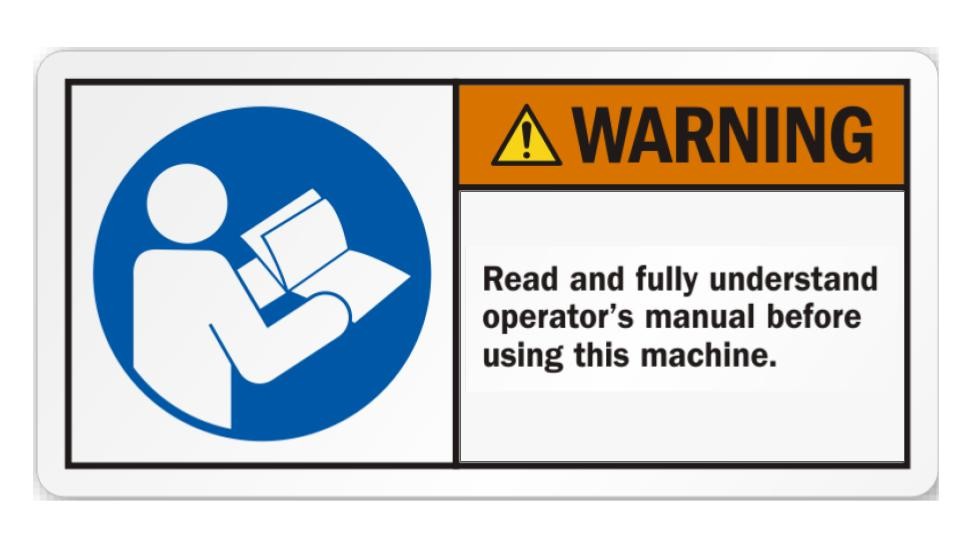
Before using any product, it’s crucial to familiarize yourself with the manufacturer’s instructions and safety guidelines. The manual provides essential information about proper usage, maintenance, and potential hazards. By reading the manual, you can prevent accidents, ensure optimal performance, and prolong the lifespan of your product. Always take the time to read and understand the instructions before operating any new device.
Manufacturers include manuals for a reason: to provide users with the knowledge necessary for safe and effective use. Ignoring these instructions can lead to misuse, damage, or even injury. The manual often contains troubleshooting tips and warranty information, which can be invaluable in the long run. Taking a few moments to read the manual can save you time, money, and frustration.
Grounding

Electrical safety is paramount when using any pump, especially electric ones. Ensuring the pump is properly grounded is crucial for preventing electric shock. Grounding provides a safe pathway for stray electrical current to flow to the earth, minimizing the risk of electrocution. Always check the pump’s grounding plug and ensure it’s connected to a grounded outlet. If you’re unsure, consult a qualified electrician.
A properly grounded pump protects both the user and the equipment. Before plugging in any pump, verify that the grounding wire is intact and securely connected. Inspect the power cord for any damage that could compromise grounding. In outdoor settings or damp environments, use a ground fault circuit interrupter (GFCI) outlet for added protection. These simple precautions can significantly reduce the risk of electrical hazards.
Overheating
To ensure the longevity and safety of your pump, avoid running it for extended periods. Overheating can cause damage to the motor and other components, leading to premature failure. Allow the pump to cool down periodically, especially during heavy use. Monitor the pump’s temperature and follow the manufacturer’s recommendations for duty cycles.
Overheating not only damages the pump but also poses a fire hazard. By limiting the running time and allowing for cooling periods, you can prevent overheating and ensure safe operation. Regularly check for signs of overheating, such as unusual noises or smells. If you notice any issues, stop using the pump immediately and allow it to cool.
Cord Safety
Maintaining cord safety is essential to prevent electrical hazards. Keep cords away from water sources to avoid the risk of electric shock. Water can conduct electricity, creating a dangerous situation. Similarly, keep cords away from heat sources to prevent damage to the insulation. Damaged cords can lead to short circuits and fires.
Regularly inspect cords for any signs of wear or damage. Frayed wires or exposed conductors pose a significant safety risk. Avoid running cords under carpets or rugs, as this can cause them to overheat. Always unplug cords by gripping the plug, not the cord itself. Taking these precautions will help ensure safe and reliable electrical connections.
Supervision
It is important to never leave a pump unattended while it is in use. Unattended pumps can overheat, malfunction, or cause leaks, leading to potential safety hazards. Constant supervision allows you to monitor the pump’s performance and quickly address any issues that may arise. This practice ensures both the safety of the user and the longevity of the pump.
Leaving a pump unattended can result in serious consequences. In the event of a malfunction, such as a burst hose or electrical issue, immediate action is necessary to prevent damage or injury. By remaining present, you can promptly respond to any problems and minimize risks. Unattended pumps also pose a risk of theft or tampering, making supervision essential for security.
Balloon Types

Knowing the differences between balloon types is key to handling them safely. Latex balloons are biodegradable and flexible, while foil balloons are non-biodegradable and retain helium longer. Bubble balloons, made of stretchy plastic, are durable and transparent. Each type has unique properties affecting inflation, lifespan, and disposal. Understanding these characteristics ensures proper usage and minimizes risks.
Latex balloons are ideal for short-term decorations, but foil balloons are better for extended displays. Bubble balloons offer a clear, spherical look and are resistant to bursting. Awareness of these distinctions helps you choose the right balloon for your needs. Proper handling, storage, and disposal methods vary depending on the balloon type.
Environmental Concerns
It’s important to be aware of the environmental impact of balloons. Opting for biodegradable latex balloons is a step towards sustainability. These balloons decompose naturally, reducing waste. Avoid releasing any balloons into the atmosphere, as they can travel long distances and harm wildlife. Responsible disposal is crucial; deflate and properly discard balloons to minimize their environmental footprint.
Balloons that float away can end up in oceans and forests, posing a threat to animals. Wildlife may mistake balloon fragments for food, leading to ingestion and potential harm. By choosing eco-friendly alternatives and avoiding intentional releases, you can contribute to a healthier environment. Encourage others to be mindful of their balloon usage and disposal habits.
Regulations
Before planning any balloon-related event, research local regulations regarding balloon releases and disposal. Many areas have restrictions or bans on mass balloon releases due to environmental concerns. Familiarize yourself with these rules to avoid fines or legal issues. Understanding local guidelines ensures you’re operating within the law and contributing to responsible balloon usage.
Regulations can vary significantly depending on your location. Some areas may have specific rules about the types of balloons allowed or require permits for large-scale releases. Check with your local environmental agencies or government websites for up-to-date information. Adhering to these regulations helps protect the environment and promotes community well-being.
Customer Safety

When providing balloons to customers, prioritize their safety. Clearly communicate safety guidelines and proper handling techniques. Inform them about the risks of inhaling helium and the importance of supervising children. Provide written instructions or verbal explanations on safe inflation, storage, and disposal. Ensuring customer awareness minimizes potential accidents and promotes responsible balloon usage.
By adhering to these safety precautions and handling tips, you can guarantee a safe and enjoyable experience with wholesale balloons. Proper storage, inflation, and disposal methods are crucial. Educate your staff and customers on these practices. Regularly inspect equipment and balloons for damage. Following these guidelines builds trust and ensures a positive experience for everyone involved.
Conclusion
In summary, prioritizing safety and proper handling is paramount when dealing with wholesale balloons. By adhering to these guidelines, you minimize risks associated with helium inhalation, balloon bursts, and electrical hazards. Educating yourself and others on safe practices ensures a positive and accident-free experience. Remember, responsible balloon usage benefits both people and the environment.
Implementing these safety measures and handling techniques will not only protect your customers and staff but also enhance the overall reputation of your business. By understanding balloon types, proper inflation, and disposal methods, you contribute to a sustainable and enjoyable balloon experience. Always stay informed about local regulations and promote responsible balloon practices to create a safer environment for everyone.
Understanding the nuances of balloon decor transforms any event into a memorable occasion. Attention to detail and creative execution are key. GleamHaven specializes in crafting unique balloon designs that resonate with every celebration. We infuse events with creativity, ensuring each design captures the spirit of the occasion. From intimate gatherings to grand corporate events, GleamHaven makes every moment special.
Contact Information:
Hotline: +61 422 43 9595
Email: info.gleamhaven@gmail.com
Safety and Handling of Wholesale Balloons: A Comprehensive Guide